Asian American Food Brands Won Shelf Space. Keeping It Is Harder

Asian American food brands have won real shelf space in American grocery stores, and keeping it is turning out to be the harder job. That is the argument running through "The Golden Age of Asian American CPG," a September 22 essay by Cathy Erway in Taste. It follows founders whose products now sit in Costco, Walmart, Whole Foods Market and Safeway, and others who have already been pushed off the shelf. Here is who is on it, who has been cut, and what the pattern asks of founders and the buyers who stock them.
How did Asian American food brands get onto grocery shelves?
Taste starts with Jing Gao of Fly By Jing. In 2018 she set out to bring the flavors of her hometown, Chengdu, into American grocery stores with a Sichuan chili crisp, sold in jars with hot-pink branding and clear English labels. She pitched at least 100 investors, according to the essay, and every one passed. Gao recalls being told the product was too niche to ever go mainstream. In 2019 she raised $120,000 through a Kickstarter campaign instead.
The bet paid off. Taste reports that Fly By Jing is now in more than 12,000 stores, including Costco and Walmart, and describes it as an eight-figure business growing 27 percent year over year. Chili crisp has gone broad, too. The essay notes chili crisp style condiments from companies including Heinz and McCormick, an Italian version from Carbone and an Indian-inspired one from Maya Kaimal.
Taste ties the moment to a wider shift. It points to 2018, when Crazy Rich Asians became a box office hit and BTS became the first Korean group to top the Billboard 200, and then to the pandemic, when Gao says people were rethinking their relationships with home and with food. Brands then leaned on social media and direct-to-consumer sales. Food creator James Park told Taste that people now discover a condiment through a video and a recipe rather than because they already recognize it.
Which Asian American food brands are in stores now?
The essay profiles a newer wave. Sandro Roco launched Sanzo in 2019, a line of Asian fruit flavored seltzers led by a bestselling calamansi flavor, and Taste says it now sells in 7,500 stores. Roco did not see his own culture in his local grocery store as a child, and he told Taste that "there is real power in the default."
Caroline Dai, who worked in finance in Vancouver, launched TofuGo earlier this year. It sells individually wrapped dry tofu snacks in flavors like soy BBQ and spicy chili, made with a manufacturer in Sichuan province. The bootstrapped brand earned five figures in its first month, Taste reports, and Dai projects $1 million in its first year. "I don't want to exist only in the Asian supermarket," she said.
John Liu left a senior product manager job at TikTok in 2025 and launched KiuKiu, a line of chewy pancake mixes in ube and pandan coconut flavors. He estimates the brand is in about 300 stores, including Whole Foods Market and Safeway. That figure is his own estimate, not a retailer count. Liu has turned down some retail chain opportunities, Taste says, so he can grow sustainably and serve the partners he already has.
Anmao Sun took a different route with Wa-Chaa. His father founded the spicy peanut brand Huang Fei Hong in Shandong, China, 20 years ago, and the peanuts had sold in H Mart and 99 Ranch Market for years. Last year Sun relaunched them under a new name and kung fu movie inspired packaging, with the same seasonings and a recipe tweaked to use avocado oil. The timing, he told Taste, is different now than it would have been six or seven years ago.
Why are Asian American food brands losing shelf space?
The short answer, according to Taste, is that earning a shelf spot and keeping it are separate problems. The essay points to retailer resets, tariff driven cost swings and a post-acquisition disappearance as the pressure points, and it offers an example of each.
Brooklyn Delhi, founded in 2014 by Chitra Agrawal, shows the reset risk. Earlier this year Agrawal asked customers to support her roasted garlic achaar after it was left out of a Whole Foods Market reset, and Taste reports the retailer has since dropped the tomato achaar too. Agrawal told Taste that an ingredient like achaar can build broad awareness much faster than was possible before. The essay also notes that a fried egg recipe featuring the tomato achaar drew 12.7k likes. Reach online and a place on the shelf, in other words, are not the same thing.
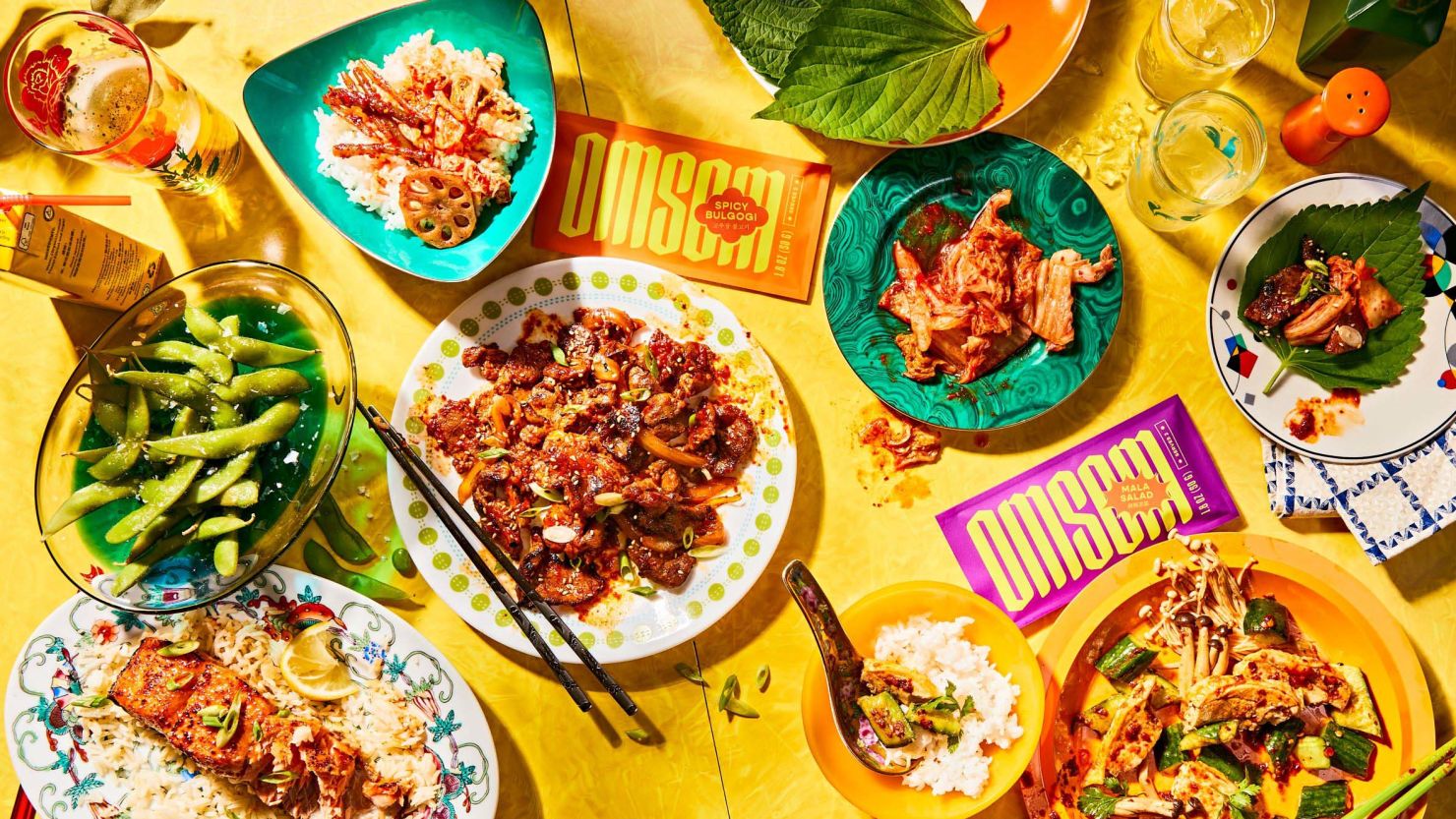
Omsom shows the acquisition risk. The direct-to-consumer Asian sauce and recipe kit brand was founded by Vietnamese American sisters Vanessa and Kim Pham, launched in 2020 and raised more than $3 million in seed funding. DayDayCook acquired it in 2024. A year later, Taste reports, its products had virtually disappeared from shelves and online retail channels, and the founders declined to comment.
Then there is cost. Taste adds that the Trump administration's tariffs and trade wars have deepened the challenge for many founders as ingredient and shipping costs move.
What should founders and grocery buyers take from this?
None of this means the category is shrinking. The same essay documents brands growing into thousands of stores. But its examples suggest the question has changed. In 2018, Gao needed an investor to take a chance on a product, and at least 100 said no. The question now is whether a brand can hold its place once a retailer's priorities shift.
Liu's decision to turn down some chain opportunities and Sun's choice to relaunch peanuts that already sold in H Mart and 99 Ranch Market can be read as two answers to the same problem: growth that outruns a brand's footing may be as risky as no growth. Neither founder frames it that way in the essay, so that is our reading, not theirs.
For category buyers and investors, the essay is also a reminder of how much of the evidence is still anecdotal. The store counts for Fly By Jing, Sanzo and KiuKiu come from the essay and from the founders. Anyone planning around them needs the brand's or the retailer's own numbers first.
Taste frames the larger story as a generational handoff. The first generation of Asian American food entrepreneurs, it writes, had to persuade shoppers that Asian food belonged on the shelf, and the next is arguing that it belongs everywhere. Eric Kim, the New York Times cooking columnist, told Taste the boom is the result of the children of immigrants finally growing up and taking space in a market that needs what they make.
Whether that argument holds will be settled on the shelf, one reset at a time. Founders still working out the launch side can start with our guide to starting a CPG brand.
Reporting in this article draws on Taste's essay "The Golden Age of Asian American CPG" by Cathy Erway, published September 22, 2026. Store counts, revenue figures and the Omsom account are as reported there and have not been independently confirmed by 88tumble.