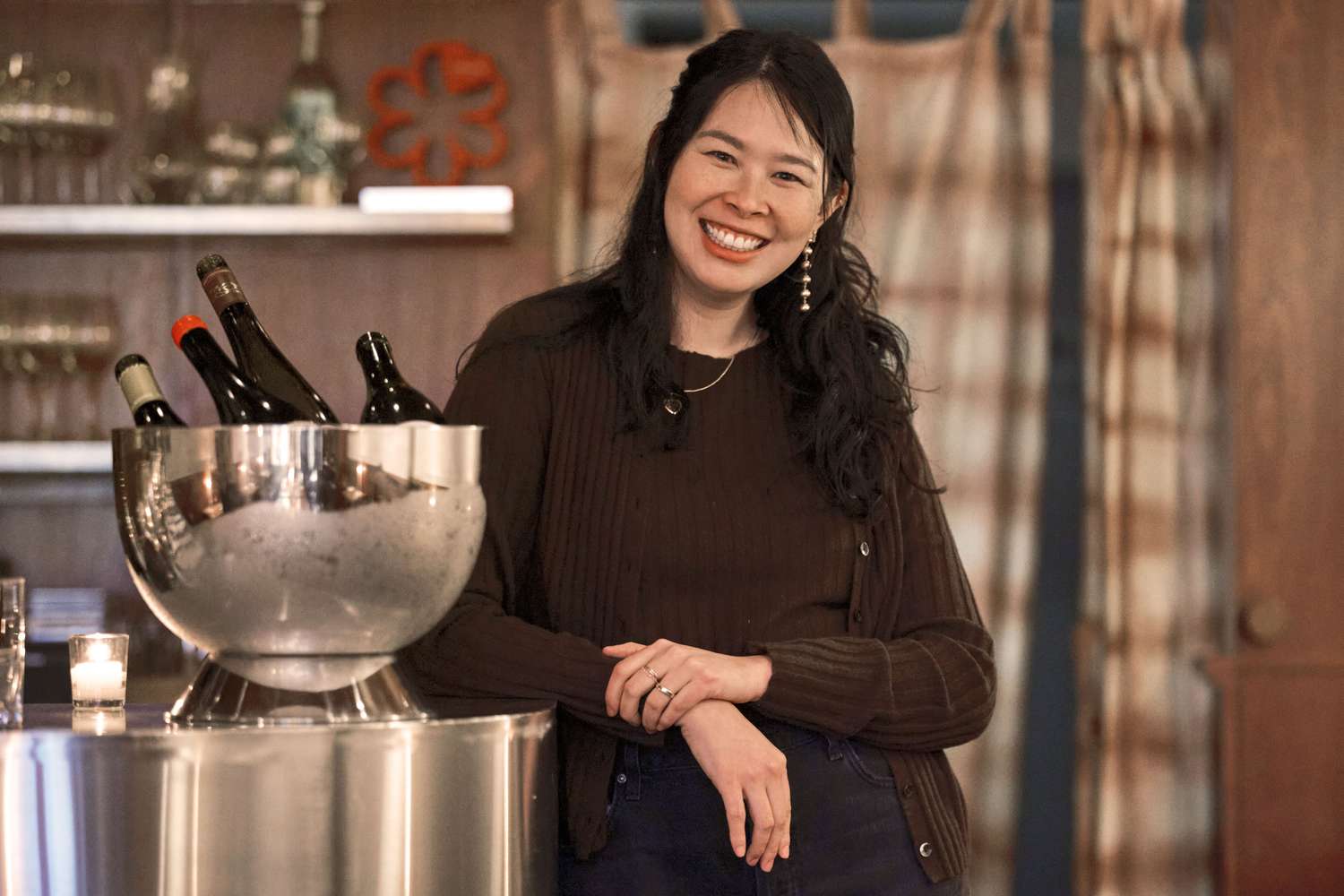
The Lang store at ROW DTLA opened on July 5, 2026, two years after founder Kayla Wong started the concept in Los Angeles' Chinatown Central Plaza. The new space runs 2,000 square feet, custom designed by the LA studio of Paul Chan, and it carries clothing, jewelry, home goods, and art almost entirely from AAPI-founded brands.
It is a better store. It is also a move out of Chinatown, and that is worth talking about honestly rather than filing under expansion news.
What is Lang and who is Kayla Wong?
Lang is a Los Angeles retail concept founded by Kayla Wong, a Hong Kong native, that stocks clothing, accessories, home goods, and art from Asian and Asian American designers. After two years in Chinatown Central Plaza, Lang relocated to a larger flagship at ROW DTLA, the redeveloped industrial campus in downtown Los Angeles, opening July 5, 2026.
Wong is direct about the gap she was trying to fill. "I felt like there was a gap in the market here in Los Angeles and I wanted to bring Hong Kong talent to the city and to North America," she told Fashionista. "As I was starting this concept, I learned and found a lot of new AAPI designers as well. There can be so much more representation for Asian designers in the fashion industry. So I wanted to create this space for designers to showcase what they have to offer."
The design is doing real work
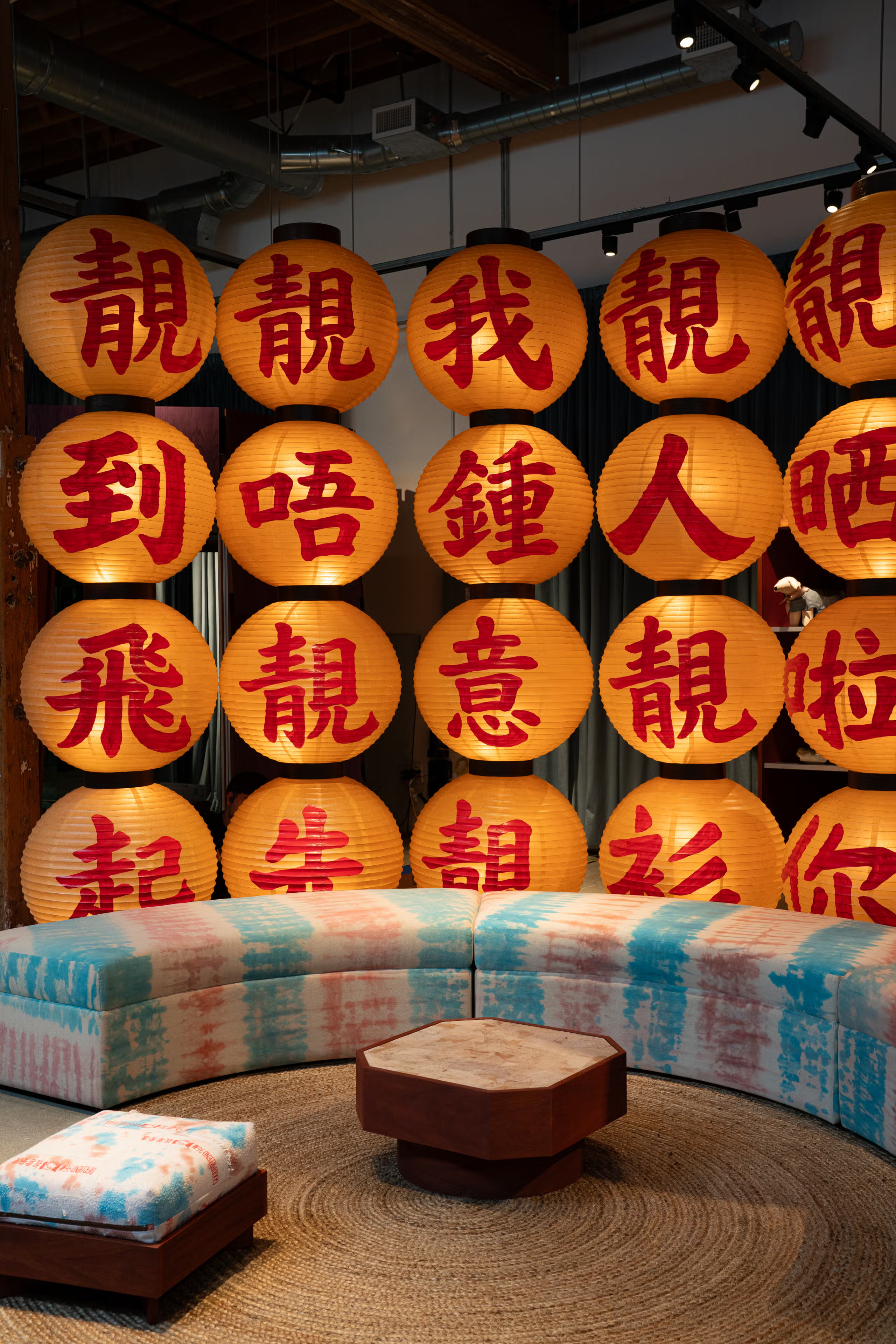
Most retail interiors that reference an Asian city do it with a lantern and a color story. Lang's version is more specific and more personal. Custom furnishings by the local textile studio Suay nod to Hong Kong's red, white, and blue woven bags, the ones every Hong Kong household has used to haul laundry and move apartments, rendered in tie-dye that pulls from Southern California surf culture. A hand-painted lantern installation references Hong Kong's Da Jiu festival.
That is not decoration. It is a diaspora argument made in upholstery: two places at once, neither one flattened into the other.
The floor is not divided by gender. Anyone can try anything. The dressing room was designed as its own destination, with even lighting and shag carpet, because Wong wanted to fix something she disliked in every store she had shopped. "I've always gone into a store and when you try your clothes on, it almost feels like you have to rush through it," she said. "With our changing room, we wanted it to be a moment that you get to enjoy for yourself."
The brands on the racks
The opening lineup includes Plumfloor, Find Me Now, Class Trip, and Affection Blvd. The standout is Ponder.er, the Hong Kong label from creative duo Alex Po and Derek Cheng, and its limited-edition Pride collection called "Straight Acting."
The name comes from a phrase the designers kept seeing on dating app profiles. "This is our humorous take on the term, taking control," Cheng said. "For our brand, it's really about everyone finding their own voice, and everyone can dress however they want and present their own personalities."
A queer Hong Kong label with a Pride capsule sitting in a downtown Los Angeles storefront is exactly the kind of routing that only happens when a buyer is personally networked into both places. That is Lang's actual product. The curation is the value, not the square footage.
What leaving Chinatown actually costs
Here is the part that trade coverage tends to skip.
Chinatown Central Plaza is a 1930s development with neon, a wishing well, and about ninety years of accumulated meaning. It is also a neighborhood under sustained displacement pressure, where small businesses operate on thin margins and cheap rent, and where an influx of design-forward tenants has historically preceded rent increases that push out the businesses that were there first.
ROW DTLA is a privately managed retail and office campus built out of the old Alameda Square produce terminal. It has parking, foot traffic, a curated tenant mix, and a landlord with a leasing strategy. For a growing independent retailer, those are enormous advantages. Wong now has room for community events, capsule collections, and the emerging designers she wants to introduce.
The trade is legibility for autonomy. In Chinatown, Lang was a store in a neighborhood, subject to that neighborhood's economics and also part of its case for survival. At ROW DTLA, Lang is a tenant in a portfolio, where AAPI-founded retail becomes one of several things a leasing team can point to when describing the campus. Both things can be true: Wong made a smart decision for her business, and the neighborhood lost a business that was making an argument on its behalf.
This pattern is not unique to Lang. It is the standard arc for Asian American independent retail in Los Angeles and New York. A concept starts in an enclave because that is where the rent is survivable and the customers already understand the reference. It grows. It moves to a development that can support the growth. The enclave keeps the history and loses the storefront.
What Wong is building next
Lang has signaled more community programming, more emerging designers, and limited-edition capsules. The events piece is where the store either becomes a genuine gathering place or stays a very good shop with a nice dressing room.
Wong has the relationships to make it the former. She is routing Hong Kong labels into North America through a channel that did not previously exist, and she is doing it as a buyer with taste rather than as a corporate diversity initiative. That is the version of representation that survives a budget cycle.
The store is at ROW DTLA in downtown Los Angeles.
Sources: Fashionista, Lang.