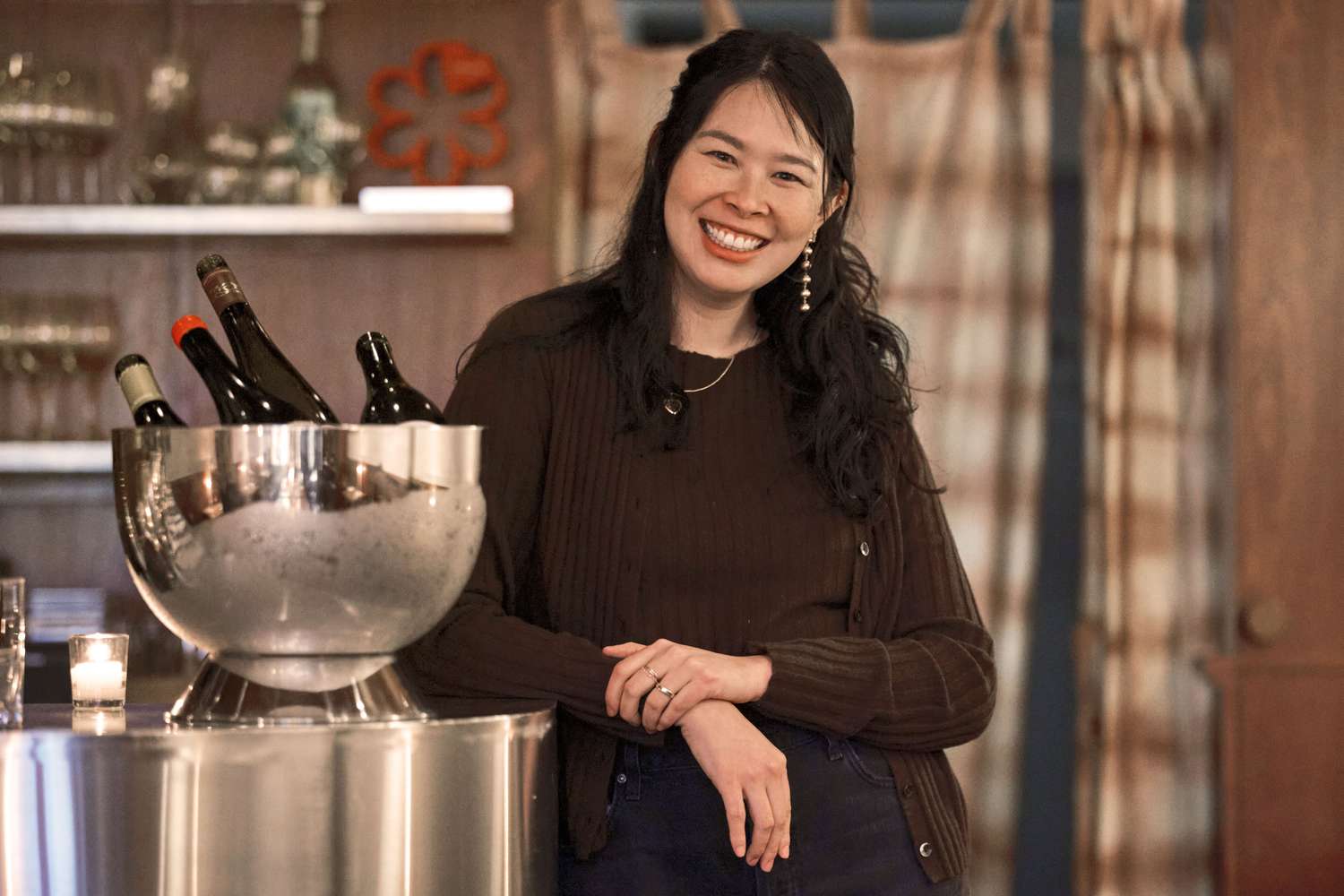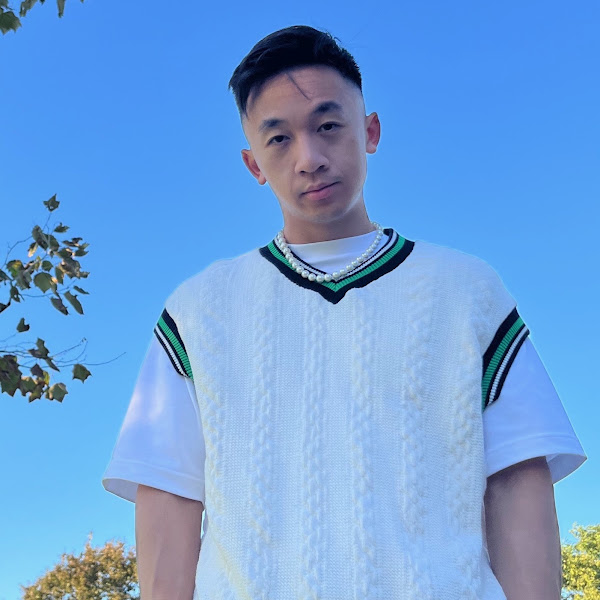
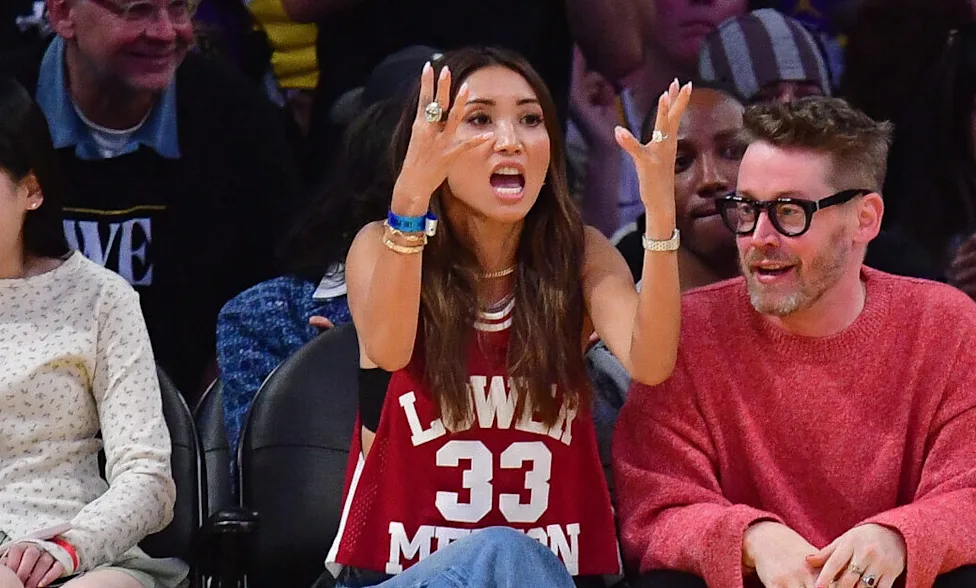
Brenda Song worked the third quarter of the Rams and Saints preseason game as a guest color analyst, and got the kind of luck a first-timer cannot plan for. With the Saints inside the goal line, Rams safety Alex Cook picked off Spencer Rattler and took it back a hundred yards. Song called it live. The Rams won 34 to 0.
She was good. That is the part the clips captured. The part worth writing about is how strange it still is to hear an Asian American voice doing color on an NFL broadcast at all, even for one quarter, even as a guest.
Who Brenda Song is beyond the Disney years
Song was born in Carmichael, California, outside Sacramento. Her father is Hmong, her mother is Thai American, and both of her parents were born in Thailand and met as adults in Sacramento. She speaks Hmong and Thai. She started in commercials at five and became one of the Disney Channel's longest-tenured stars as London Tipton on The Suite Life of Zack and Cody, then spent the following decade doing the slow work of getting cast as an adult, in The Social Network, Dollface, and Running Point.
She is also, by every available account, a genuine Rams fan rather than a celebrity handed a headset. That distinction shows up immediately on air and it is why the appearance landed.
It is also worth naming what her presence in that booth represents demographically. Hmong Americans arrived in the United States as refugees after the war in Laos, concentrated in Fresno, Sacramento, Minneapolis and Saint Paul, and they are among the communities that federal data most reliably renders invisible. A Hmong American voice on a national football broadcast is not a small thing in Fresno.
How many Asian Americans call major American sports?
Very few, and the number gets smaller the closer you look at the specific job.
Play-by-play and color analyst positions in the four major American leagues remain overwhelmingly white and, in the analyst chair, overwhelmingly composed of former players and coaches. That second filter matters enormously. If the pipeline into the booth runs through the locker room, then a sport with almost no Asian American players will produce almost no Asian American analysts, and the gap replicates itself one generation at a time.
Asian Americans have made more progress in the adjacent roles. Sideline reporting, studio hosting, and league-side media have all become meaningfully less monochrome over the past fifteen years. The booth has not moved at the same rate, because the booth is where the authority sits.
Why a guest spot is not the same as a job
It would be easy to overclaim here, and 88tumble is not going to. Song did one quarter of one preseason game as an invited guest. That is a promotional appearance, not a hire. Networks do these constantly with actors, musicians, and local celebrities, and almost none of them lead anywhere.
The honest version is that a guest spot proves competence and nothing else. What would actually change the picture is a network putting an Asian American analyst on a regular-season crew for a full season and letting the audience get used to it.
The good news is that Song did the thing that makes that easier to argue for. She was prepared, she was quick on a big play, and she did not treat the assignment as a bit.
The wider AAPI sports picture in 2026
On the field, this has been a genuinely unusual year. Kaitlyn Chen and Natalie Nakase share a Golden State Valkyries bench. Alex Eala took a WTA title in Washington in front of a Filipino crowd that turned a hard court into a home match. Jeremy Lin has stopped waiting for a second Linsanity and started building the pipeline himself.
Media is the piece that lags. Representation on the field eventually forces representation in coverage, but the delay runs years, and in a sport where the AAPI playing population is as small as it is in football, the delay could run decades.
Which is the argument for hiring outside the former-player pipeline. Song is evidence that it works.
Why the booth is harder to break into than the field
There is a reason representation in sports media lags representation in sports, and it is not primarily hiring bias, though that exists.
Broadcast rights are the most expensive assets in American media, and networks protect them by minimizing risk. A color analyst is the single most exposed position in a telecast, because the analyst has to be authoritative in real time, in front of an audience that will decide within a quarter whether it trusts the voice. Networks fill that seat with people whose authority is pre-established, which in practice means people who played or coached.
That is a closed loop. It also means the fastest route to more Asian American analysts is not football at all. It is the sports where the AAPI playing population is already substantial, which is to say golf, tennis, figure skating, and increasingly basketball. Analysts built there can move.
The alternative route is what Song just demonstrated, which is a knowledgeable fan with broadcast presence and no playing career. Networks have used that path for decades when the person was famous enough. The question is whether they use it deliberately.
What to watch this season
Whether the network invites her back for a regular-season game. Whether the response to the clip translates into anything structural. And whether the next Asian American who gets a headset gets it because a network decided this was a good idea, rather than because a booking fell through.