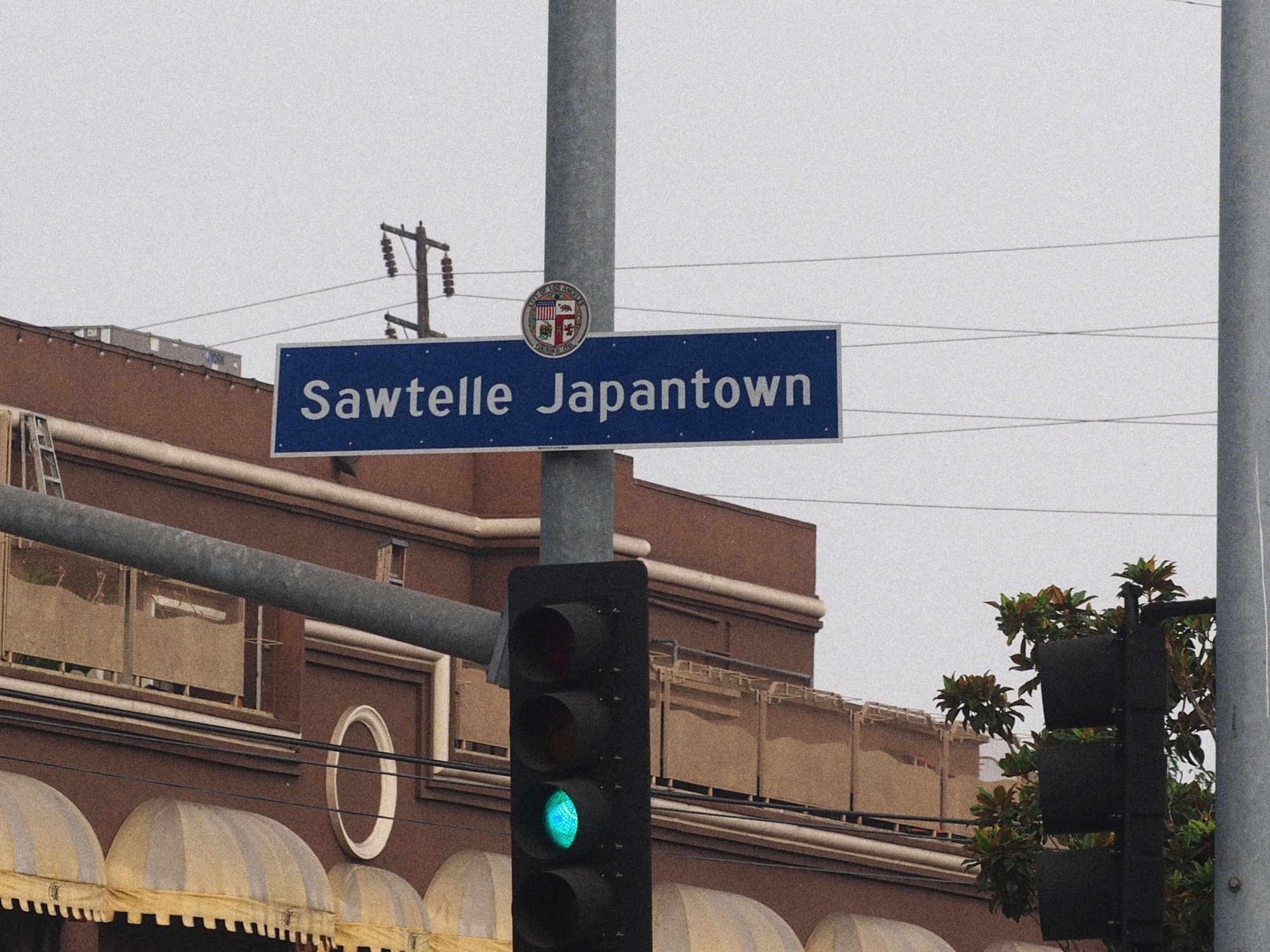
The new Sawtelle Japantown restaurants that opened over the last eight months tell a story that does not fit either of the templates LA food writing usually reaches for. This is not a hidden gem roundup, and it is not a gentrification obituary. Five significant openings have landed within a few blocks on Sawtelle Boulevard since December, and the pattern they make is denser rather than different.
That distinction is the whole piece.
What opened on Sawtelle Boulevard
The short version, by format:
- YAKUN, a reservation-only yakitori omakase, opened December 10, 2025 with eight counter seats and a 22-course menu.
- Emporium Thai Sawtelle, Southern Thai at 1653 Sawtelle Blvd, from the family behind Jitlada.
- The Mulberry, a modern Korean bistro from David Lee and Jennifer Chon.
- Mian, the first Westside outpost of a casual Sichuan noodle chain, in the former Dong Ting Noodle space.
- Ohsho, an Osaka gyoza specialist open until 1 a.m.
None of these arrived with a splashy announcement. They arrived the way Sawtelle usually changes, which is window paper coming down on a Tuesday.
Why a Japantown keeps its name while the menus change
Sawtelle Japantown was formally recognized by Los Angeles City Council in 2015, a designation that came decades after the neighborhood's actual founding. Japanese immigrant families settled the area in the early twentieth century, worked in gardening and nursery trades, were forcibly removed during World War II incarceration, and returned to rebuild a commercial corridor that survived freeway construction and a half century of Westside real estate pressure.
The name on the street signs is a historical claim, not a menu description. Which is why the current wave is interesting. Korean, Thai, and Sichuan operators opening inside a Japantown is not dilution. It is what happens when a neighborhood built by one Asian immigrant community becomes legible as a place other Asian immigrant communities can open in, and the older community has enough institutional footing that the name holds.
Compare that with what happened to LA's original Chinatown, demolished for Union Station, or with the ongoing pressure on Little Tokyo. Sawtelle keeping its designation while its restaurant mix broadens is the outcome those neighborhoods did not get.
The ceiling and the floor
Line the five openings up and they are solving different problems.
YAKUN raises the ceiling. An eight-seat counter with a 22-course structure and a founder in his early twenties, Kevin Huang, who built the room from scratch, is a category of restaurant Sawtelle did not previously have. General manager Jerome Chan, who came out of Hong Kong hospitality, has described the menu as a three-act play that opens with raw dishes, climaxes at the charcoal grill, and closes on desserts and tea. Whether or not you buy the framing, the ambition is real, and it means a special-occasion counter now sits inside walking distance of people who used to drive across town for one.
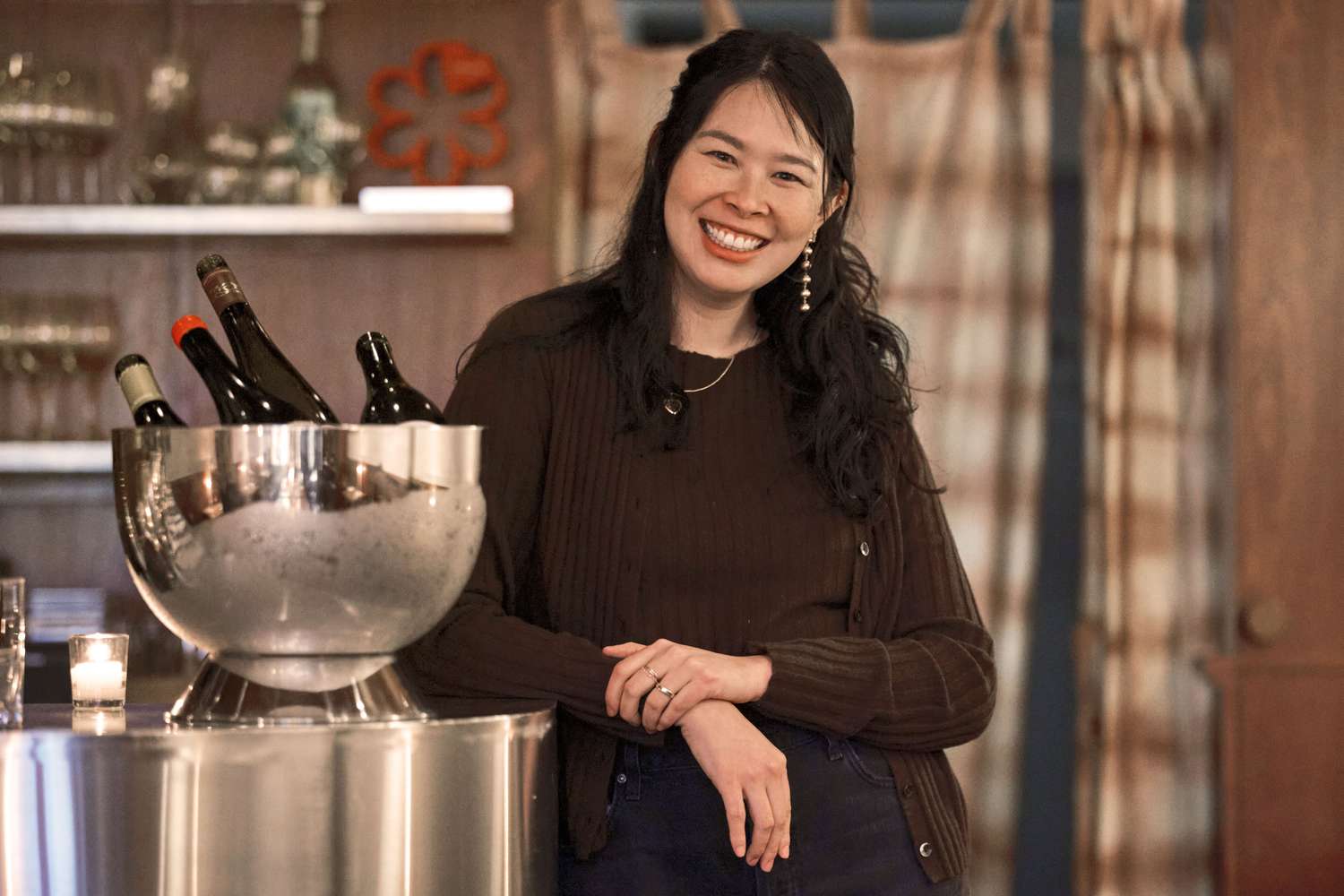
The Mulberry does the opposite work. Lee and Chon spent fifteen years in New York and Asia before landing on the Westside in 2021, and they built a room designed for regulars rather than for a review cycle. The name comes from hanji, the paper made from mulberry bark. Chon has been blunt about the target: a local customer base, people who can walk in and have a drink at the bar. Families with young kids early, fried chicken and dumplings and burgers moving fast.
A corridor needs both. Most neighborhoods only get one.
What the Thai and Sichuan additions actually signal
Emporium Thai's expansion from Westwood is the more freighted move. It comes from the same family behind Jitlada on Sunset, which is to say it comes with a genuine lineage in LA's Southern Thai cooking, not a concept. Sawtelle had already added Tuk Tuk Thai from Katy Noochlaor and chef Amanda Kuntee. Two credible Thai rooms on a Japanese-identified corridor in under two years is a real shift in what the street is understood to be.
Mian replacing Dong Ting Noodle is quieter and, in some ways, more telling. One Sichuan specialist succeeded another. The neighborhood did not lose a noodle bowl, and it did not swap a regional kitchen for a chain concept aimed at people who do not live there. That is the version of turnover a corridor can absorb.
The question worth asking next
Density is not automatically good. Rising rents follow rising restaurant ambition, and the operators most exposed are the older, family-run shops that made the corridor worth opening in. The honest version of this story includes a rent roll, and that reporting has not been done.
What can be said now is that Sawtelle in mid-2026 is doing something LA neighborhoods rarely manage. It is getting more interesting without getting less itself. For related coverage of what happens when that trade goes the other way, see our reporting on how Asian food traditions get absorbed into American markets.
Opening dates and details in this piece are drawn from published accounts and the restaurants' own materials. 88tumble is continuing to report the corridor.