99 Ranch Closing Two California Stores: What Brands Should Ask

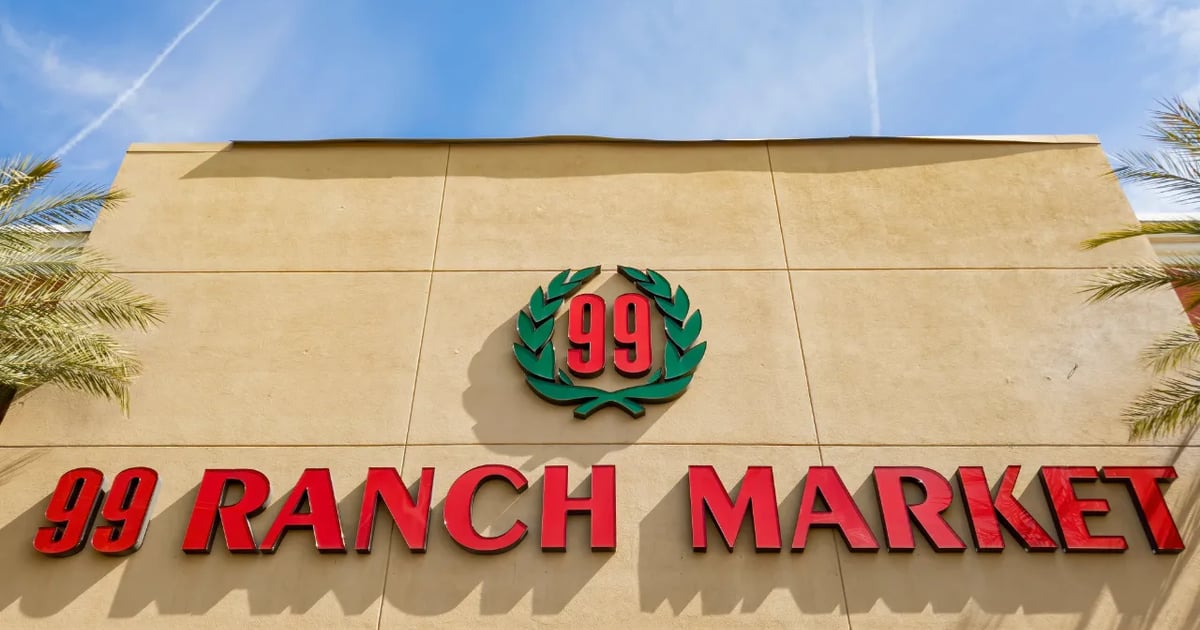
99 Ranch Market is closing two California stores, in Chino on Nov. 15 and in Pleasanton on Dec. 5, and 103 employees will lose their jobs, according to a Los Angeles Times report that Supermarket News repeated on Nov. 4. Parent company Tawa Supermarket Inc. filed two Worker Adjustment and Retraining Notification (WARN) notices, the reprint says. For Asian and overseas food brands that count on specialty grocers for American shelf space, two fewer doors is a small number with a loud signal.
This piece sticks to what those two reports printed. Where the judgment is ours, we say so, and where the reports are silent, we say that too.
Which 99 Ranch Market stores are closing, and when?
The Chino store at 4024 Grand Ave. closes Nov. 15, and 49 employees are affected. The Pleasanton store at 4299 Rosewood Drive closes Dec. 5, affecting 54 employees. Supermarket News puts the total at 103 people who "will lose their jobs before the holidays," and says the Pleasanton store has served its region for 16 years. Its headline calls the exit abrupt. The Los Angeles Times reprint, published on Yahoo Finance on Oct. 30, describes Tawa as the Buena Park-headquartered parent company of 99 Ranch Market.
The company's explanation is short. In a statement that Supermarket News says went to the Los Angeles Times, and that the reprint calls an email, Tawa said the decision "will optimize our store network and allocate resources more effectively to better serve our customers." The statement adds that other 99 Ranch Market locations remain in the Tri-Valley and in the Chino and Chino Hills areas, and that the company is committed to giving the community access to "diverse Pan-Asian food selections" and the service customers expect. Supermarket News calls the closures a strategic move to streamline operations.
How big is 99 Ranch Market, and how large is this cut?
The Los Angeles Times reprint calls 99 Ranch Market "one of the country's largest Asian supermarket chains." It says Taiwanese immigrant Roger Chen founded the company in 1984 and opened the first store in Westminster. The chain's most recent opening, the reprint says, was in January: its second Las Vegas store, in the Summerlin neighborhood. So this is a chain that is still opening stores in some places while it closes them in others.
The two reports do not agree on size. Supermarket News says 99 Ranch Market has 66 locations nationwide and 43 in California. The reprint says the chain operates more than 60 stores across 11 states, most of them in California. Neither says whether those counts include the two stores that are closing. If the California figure of 43 does include them, two stores is a little under five percent of the state footprint. That is our arithmetic, not a figure either report prints, and it rests on that assumption.
Which Asian grocers are opening stores in the Bay Area?
Both reports place the closures against a crowded field. The reprint says competition among Asian grocers in California is heating up, especially in the Bay Area. Supermarket News, citing the California Post, names four chains that are moving in.
H Mart. Supermarket News says the Korean chain planted its flag in Dublin in March, which is near Pleasanton, and will open its largest U.S. store, at 100,000 square feet, in Fremont. The reprint describes that Fremont plan as a two-level store with a food hall and bar.
Tokyo Central. The Japanese chain opened a 40,000-square-foot store in Emeryville in January, according to Supermarket News.
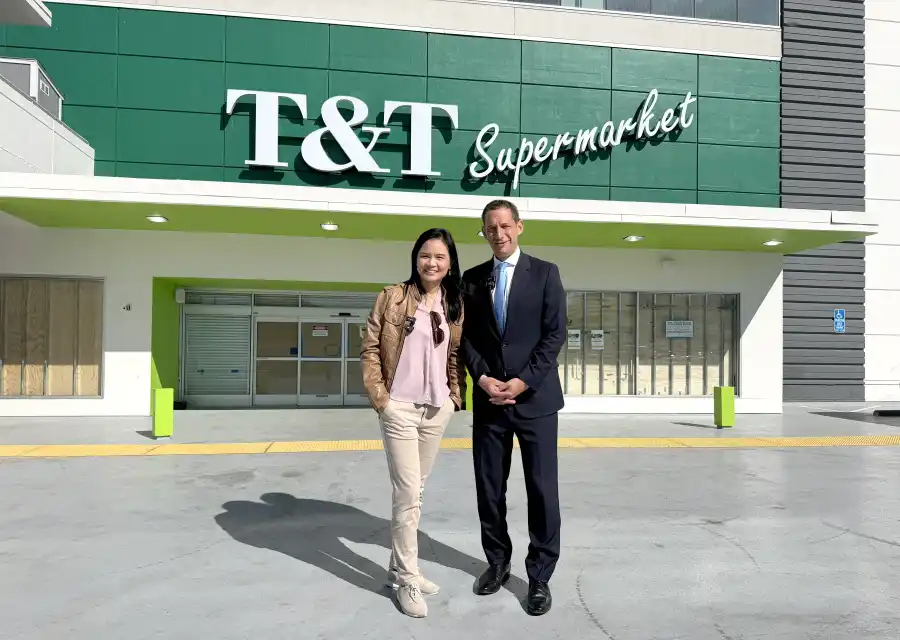
T&T Supermarket. Both reports say it opened a San Jose store in June. The reprint calls T&T a Canadian chain, puts the San Jose store at 55,000 square feet, and says it plans stores in San Francisco and Millbrae.
Osaka Marketplace. Supermarket News says a store and food hall are in the works in Pleasant Hill. The company's own release, dated Nov. 5, says that third store opens Nov. 20.
The reprint adds one more name, Jagalchi, a Korean market in Daly City that it says opened last year with a 75,000-square-foot supermarket. Neither report says the openings caused the closures. They report them side by side, and so do we.
What should brands ask now? Our read
Everything above comes from the two reports. What follows is our judgment, offered for brands that sell through Asian specialty grocers.
First, ask your buyer or broker which of your products sit in the Chino and Pleasanton stores, and what happens to inventory, promotions and seasonal items scheduled around Nov. 15 and Dec. 5. Neither report says anything about vendor arrangements, so do not assume the answer.
Second, ask for a current store list before you commit to a retailer-specific promotion or placement. A chain that is closing stores in some markets and opening them in others is a chain whose footprint is moving, and a list you were given a few months ago may already be out of date.
Third, notice who is building. H Mart, Tokyo Central, T&T and Osaka Marketplace are all opening or planning new Bay Area stores, and new, larger stores need product on the shelf. Winning a placement is one problem and keeping it is another, which is the subject of our earlier look at how Asian American food brands win shelf space and then have to hold it. A brand that can show its sales is better placed to pitch a new door than one that waits to be invited.
What the reports do not say
Neither report says why Chino and Pleasanton were chosen, what either store sold, or whether more 99 Ranch Market stores are at risk. Neither mentions severance pay. The two reports differ on the store count and on whether the company's words were a statement or an email, as noted above. We did not open the original Los Angeles Times story, only its Yahoo Finance reprint and Supermarket News's account of it.
The reprint also notes that the U.S. Equal Employment Opportunity Commission sued Tawa in June, alleging national origin discrimination against non-Chinese workers. It says Tawa has said the claims are without merit and will fight them, and that no ruling or settlement has been reached. Neither report connects that lawsuit to these closures, and we do not either.
Neither report discusses Asian American shoppers, so we make no claim about that audience here. For brands, the practical next step is to confirm the closing dates and your own placements directly with the chain before the first store closes on Nov. 15.
Sources: Supermarket News (Nov. 4, 2026), the Los Angeles Times report as reprinted by Yahoo Finance (Oct. 30, 2026), and the Osaka Marketplace release linked above.