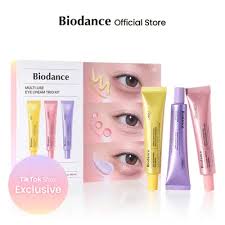
Biodance TikTok Shop Organic Sales Jump 2,361% in October

Biodance's TikTok Shop sales grew faster without paid ads than any other brand in a FastMoss ranking of 15 U.S. indie beauty brands in October, according to a Beauty Independent report. The analytics firm estimates the K-beauty brand's non-ad gross merchandise value (GMV) rose 2,361% month over month to $10.19 million. Total October GMV reached $18.63 million, up 1,654% from September. Every figure in the report is an estimate.
How did Biodance grow so fast on TikTok Shop?
Beauty Independent's Nov. 17 report, written by Erica La Sala, ranks Biodance first for organic growth on TikTok Shop in October. The report defines organic growth as the month-over-month change in GMV that is not attributed to paid advertising. That includes affiliates, non-boosted creator content, search and shop discovery.
Weekly sales climbed from roughly $300,000 to more than $9 million after Oct. 13, the report says. It does not print Biodance's affiliate creator count or its share of sales tied to paid ads, so the exact mix behind that jump is not in the public text.
Which indie beauty brands led TikTok Shop organic growth?
South Korean brands took four of the top five spots. Behind Biodance, Ongredients, which the report calls a fellow K-beauty brand, grew 1,338% to $602,000, a rise the report says came off a relatively small September sales base. Mikayla Nogueira's POV Beauty was third at 155% growth. Dr.Melaxin, described as a South Korean skincare brand, was fourth at 132%, and Epais, also described as a South Korean skincare brand, was fifth at 92%.
The ranking draws on the 100 highest-grossing U.S. beauty and personal care shops on TikTok Shop in October. It excludes retailers, publicly traded companies and brands owned by major beauty conglomerates. Beauty Independent calls its definition of indie beauty expansive, since it includes venture capital and private equity backed brands. The article text names only the top five of the 15, so this piece covers those five.
Are beauty brands spending less on TikTok Shop ads?
Across the 15 brands, the median share of sales attributed to paid ads fell to 36% in October from 50% in September, and twelve of the 15 reduced that share. Among 36 top-grossing beauty shops, a separate group, the median fell to 47% from 56%.
The brands also added creators. The 15 added a median of approximately 4,600 affiliate creators in October. Dr.Melaxin added more than 49,000 while cutting its estimated TikTok Shop ad spend 27% to $860,000, from approximately $1.18 million in September. Epais cut ad spend 23% to $305,000. Hismile, GoPure and Wonderskin cut ad spend by 18%, 6% and 3%. They were among five brands that cut ad spend while raising non-ad sales by between 56% and 132%. By 88tumble's arithmetic, Dr.Melaxin's creator additions were more than ten times the group median.
The report is careful about what this proves. FastMoss's U.S. general manager, Chufan Shi, said the decline in ad share coincided with October promotional events. The figures do not establish whether paid advertising has become less effective on TikTok Shop overall.
How much of TikTok Shop sales comes from short-form video and livestreams?
In the 28 days ending Nov. 9, short-form video drove nearly half of sales for the typical brand in the ranking. Livestreaming drove approximately 7%. More than 40% of sales came directly through product pages. The report does not say whether "typical" means the median or the average, and the product page figure shows where sales closed, not how shoppers first found the product.
What should beauty brands and creator marketers take from this?
Shi's lesson for other brands, as Beauty Independent quotes it, is to "get product in front of as many creators as possible and make the listing ready for the shoppers those videos send." The report's own framing is more hedged: building large affiliate creator networks may let brands grow sales without a matching rise in ad spending.
What follows is 88tumble's reading, not the report's. For Asian and other overseas beauty brands launching or scaling on TikTok Shop in the U.S., and for the agencies and creator marketers who run their affiliate programs, the data points to two budget questions. One is how to split spend between paid ads and creator seeding. The other is whether to lead with short-form video over livestreams, given the 7% livestream share. The report does not give founder heritage for any brand or describe an Asian American shopper segment, so we draw no Asian American consumer conclusion from it.
For related coverage, see 88tumble's report on medicube's October TikTok Shop U.S. revenue and our earlier look at TikTok Shop's BFCM 2026 seller campaign rules. The underlying report is Beauty Independent's ranking of the 15 indie beauty brands leading organic sales growth on TikTok Shop.
What the figures do not show
- Every figure is a FastMoss estimate as reported by Beauty Independent. 88tumble did not review FastMoss's underlying data.
- Biodance's affiliate creator count and paid ad share are not printed in the report.
- Ongredients' 1,338% growth comes off a relatively small September sales base.
- The drop in ad share coincided with October promotional events.
- The report does not state any brand's founder heritage.