Instagram Content Protection: Who Qualifies and What to Set

Instagram has opened Content Protection to eligible Instagram creators, a tool that finds reposts of their original videos across Instagram and Facebook. In a Nov. 17 post on its creators blog, Instagram marks the change with the line "Available only to creators on Facebook until today." Eligibility is "largely based on meeting our originality and integrity standards," and neither Instagram nor Tubefilter publishes a follower or view threshold. Applying is the easy part. The harder part is knowing what a match lets a creator do, and what Instagram has not said.
This piece sticks to what Instagram and Tubefilter have printed. Where a page is silent, we say so.
What is Instagram Content Protection?
Quick answer: Instagram Content Protection is a tool that finds videos matching a creator's original videos across Instagram and Facebook and lets the creator choose what happens to each match. Instagram says it uses "the same matching technology as Meta's Rights Manager" and looks for "visual matches." Creators apply at instagram.com/apply-content-protect. Instagram's post states no price. Tubefilter says Meta brought the tool to Facebook last year, so Instagram creators are getting access to something Facebook creators had first.
Who qualifies for Instagram Content Protection?
Instagram's eligibility line is short. The tool is open to Instagram creators who meet its eligibility criteria, which Instagram says are "largely based on meeting our originality and integrity standards." The post gives no minimum follower count, view count or account age, and it names no countries. It also links a Help Center page for more.
Because the criteria are not numeric, the application is the only test the sources support. The post does not say how long a review takes.
How does Instagram Content Protection work?
Instagram says that once a creator enrolls, every original video posted afterward is protected automatically, and earlier eligible videos can be selected manually. When the tool finds a match, Instagram says it shows the creator the match's view count and the follower count of "the profile that posted your original content." That phrase is Instagram's. We read it as the account that reposted the video, though the wording leaves room for doubt, and the Help Center page is the place to confirm it.
Tubefilter describes the mechanism more narrowly than Instagram does. Sam Gutelle writes that the tool "uses fingerprinting technology to scan for uploads that are identical to an enrolled creator's video." Instagram's own post uses neither "fingerprinting" nor "identical." It speaks of visual matches and matching technology. The gap matters because neither page says whether an edited, cropped or re-timed copy would be caught.
What can a creator do with a match?
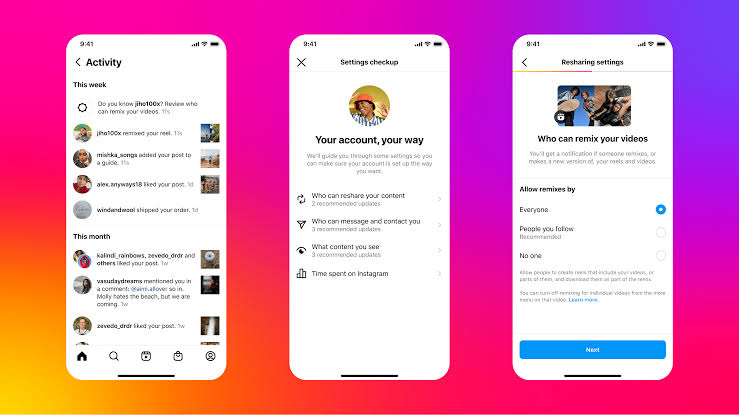
Instagram names four responses: Track, which is the default, Hide from everyone, Add credit link and Release the match. The credit link works on Instagram matches only and adds an "original by" label that links to the creator's video or profile. The post also mentions an allow list and a route to dispute ownership or file an intellectual property report.
On money, Tubefilter adds one limit. It notes that "creators cannot receive monetization through the reposts," and contrasts that with services like Content ID. We did not find a monetization option described in Instagram's post. On the sources we have, this is a control tool, not a revenue share.
What is the spoken words test?
Instagram says it will begin testing a way to surface videos that match the spoken words of an original, even when the visuals have been replaced by AI. The test goes to a small group of creators "in the coming weeks." The sources do not say who is in that group or when it widens. Instagram also says it plans to expand access "as soon as we can," and gives no date.
What should creator businesses decide now?
This section is 88tumble's reading, not reporting. Nothing in Instagram's post or Tubefilter's coverage is specific to Asian American creators. The tool applies to any eligible Instagram creator. We are covering it because 88tumble's readers include Asian American creator businesses and the managers and agencies behind them, and a tool for finding reposted video is one those businesses can now act on. That framing is ours, not Meta's.
Four decisions follow from the sources. First, whether to apply. With no published threshold, an agency should confirm each creator's eligibility before promising a client an enrollment date. Second, which response to set. Instagram makes Track the default, so a creator who does nothing gets the default. Choosing between hiding a match, adding a credit link or releasing it before the first match arrives is the better order. Third, how to describe the tool to clients. Per Tubefilter, reposts earn the original creator nothing through this tool, so no income plan should lean on it. Fourth, how far to trust the matching. Neither page says edited copies are covered, so a creator should not be told they are.
One disclosure note. A creator who names Meta, Instagram or Facebook in sponsored or affiliate content should disclose that relationship. 88tumble's coverage here implies no partnership with any of them.
Creators are weighing platform rules elsewhere too. 88tumble's coverage of the YouTube Partner Program changes that take effect Feb. 1, 2027 explains the thresholds new channels will face on another platform.
What do the sources not say?
Neither Instagram's post nor Tubefilter gives a follower or view threshold, a country list, a creator count, accuracy data or a price. Neither says whether edited or altered copies are matched, and they describe the matching differently: Instagram says visual matches, Tubefilter says identical uploads. Neither explains what Track does beyond naming it as the default. Instagram's post shows no author. It gives no date for the wider expansion it promises, and the spoken words test has only the timing "in the coming weeks." Tubefilter says the Facebook version arrived last year, and neither page gives a launch date or user numbers for it. We did not open the Help Center page or the Facebook post that Instagram links, so we make no claim about details found only there.
Sources: Instagram for Creators (Nov. 17, 2026) and Tubefilter (Nov. 17, 2026, Sam Gutelle).