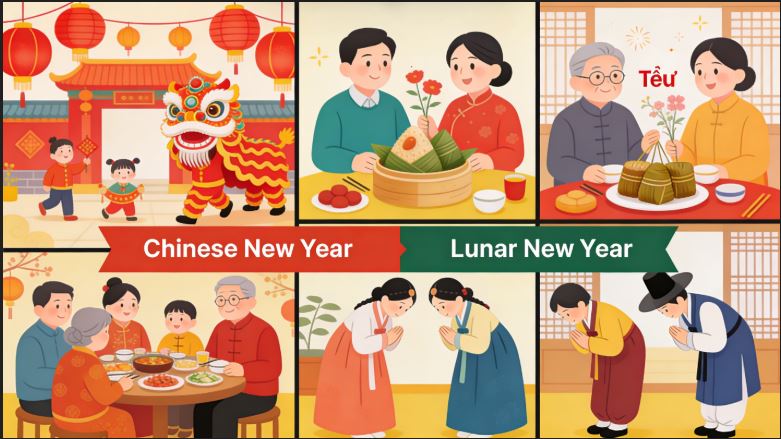
Some Asians say Chinese New Year and others say Lunar New Year because they’re talking about different things: one is a specific Chinese festival, the other is an inclusive term for many cultures that follow lunar or lunisolar calendars. The wording has become a live debate around history, identity, and how to respectfully describe a holiday shared across Asia and the diaspora.
Chinese New Year vs. Lunar New Year: What’s the Difference?
“Chinese New Year” usually refers to the Spring Festival (Chunjie), the new year celebration rooted specifically in Chinese culture, history, and customs. It features zodiac animals, red envelopes, lion and dragon dances, and family reunions tied to Chinese beliefs and legends like the monster Nian.
“Lunar New Year” is a broader term that covers all new year celebrations based on lunar or lunisolar calendars, including but not limited to Chinese New Year. It can include Vietnamese Tết, Korean Seollal, Tibetan Losar, Mongolian Tsagaan Sar, and more, each with its own name, rituals, and symbolism.
Key point
Who Says “Chinese New Year” and Who Says “Lunar New Year”?
Different communities use different terms depending on culture and context.
In Western countries, schools, governments, and brands increasingly use “Lunar New Year” to be more inclusive of non‑Chinese Asians who celebrate on the same calendar date.
Why the Terminology Matters: Inclusivity vs. Cultural Specificity
The debate isn’t just semantics; it’s about who feels seen and accurately represented.
Arguments for “Lunar New Year”
Arguments for “Chinese New Year”
This tension shows up every year online and in diaspora spaces, where people argue about whether one term is more “correct,” respectful, or political.
Examples of How Different Cultures Celebrate
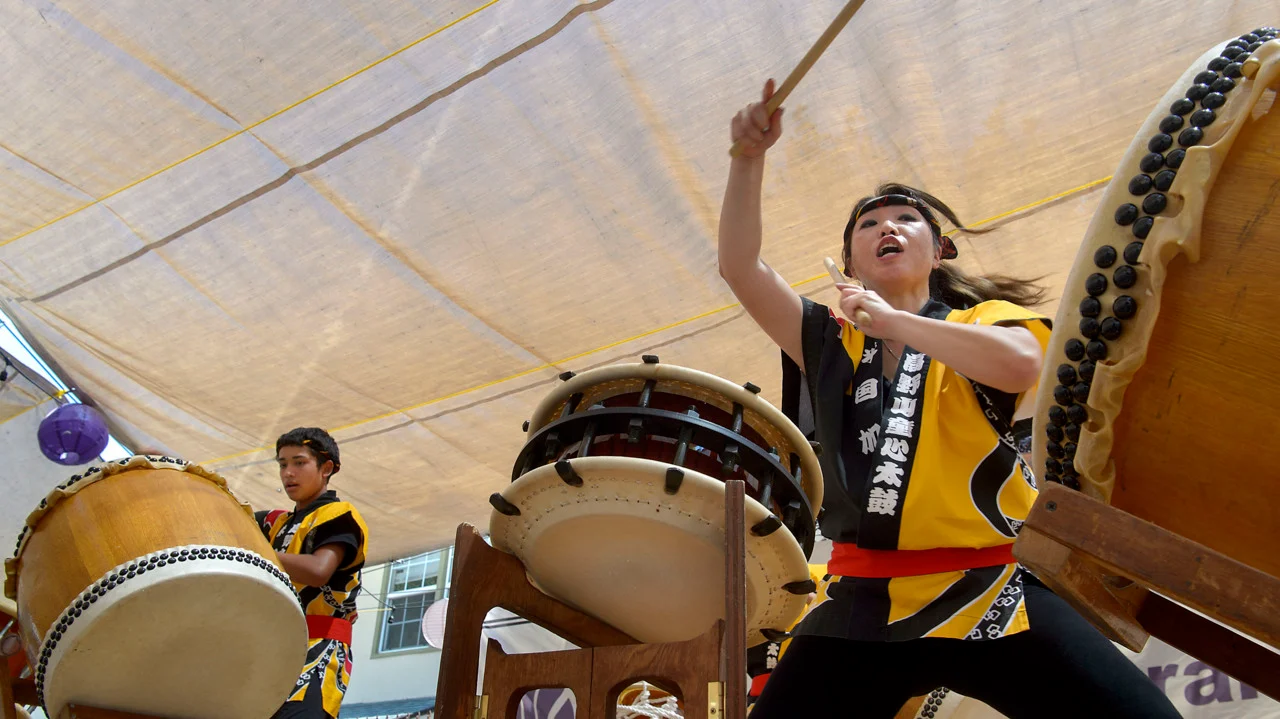
Even when they share a date, celebrations are not identical.
Using “Lunar New Year” acknowledges this diversity, while “Chinese New Year” accurately names just one of these festivals.
When to Use Which Term (And Why the Debate Isn’t Going Away)
A practical way to navigate the debate is to match the term to the context.
As more brands, schools, and media outlets adopt “Lunar New Year,” some Chinese voices push back to protect the visibility of their specific festival. The result is an ongoing conversation about language, power, and how to honor both shared traditions and distinct identities across Asia.
Explore more about the Asian American Experience on 88tumble.com/explore