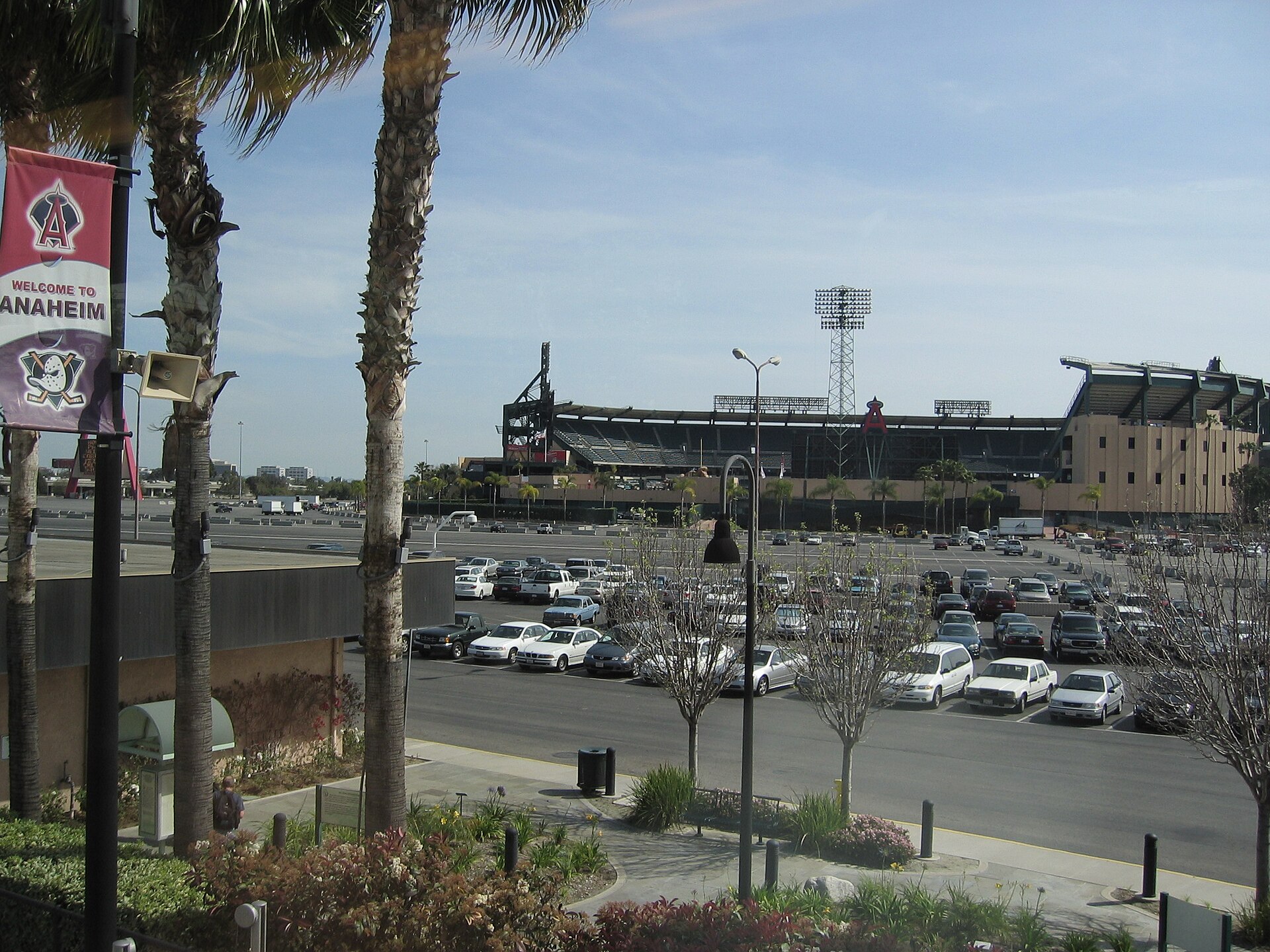
Angels Korean Heritage Night lands at Angel Stadium on Tuesday, August 11, and it is one of seven heritage events the club is running in 2026. Taiwanese, Filipino, Salvadoran, Vietnamese, Korean, Mexican, and Japanese nights each come with a special ticket package and a themed jersey. This year the Angels also brought on NextShark, the Asian American digital outlet, as a promotional partner across the Filipino, Vietnamese, Korean, and Japanese dates. That is no longer a nice gesture from a ballclub. That is a marketing program with a media buy attached, and it deserves to be evaluated as one.
What is a heritage night, exactly?
The mechanics are consistent across Major League Baseball. A team designates a game, sells a ticket bundle that includes a co branded jersey or cap, and stages some cultural programming around the gate: food vendors, performances, community organization tables. The Angels are running several of theirs as outdoor block party style activations outside the stadium before first pitch, with what the club calls Heritage Village. Fans buy through a dedicated link rather than the normal box office, which is the part that matters, because it means every jersey sold is a traceable data point on Asian American ticket demand.
That traceability is the business case. A team that can prove Korean American households bought two thousand tickets on a Tuesday in August has an asset it can take to a sponsor. This is why heritage nights have proliferated across the league, and why they now come with partners, jerseys, and content plans rather than just a PA announcement.
The honest case for them
It would be easy to write this off as pandering, and that would be wrong. For a lot of families, a heritage night is the reason they go to a game at all. Seeing a Vietnamese drum line on the concourse or a jersey with your language on it is not nothing, particularly for second and third generation kids who rarely encounter their heritage inside mainstream American institutions that are not a museum or a food festival.
There is also a straightforward equity argument. Orange County has one of the largest Vietnamese American populations in the country. Koreatown is twenty five miles up the freeway. The Angels serving those communities as fans rather than as a demographic slide is overdue, not excessive.
The question nobody puts on the ticket page
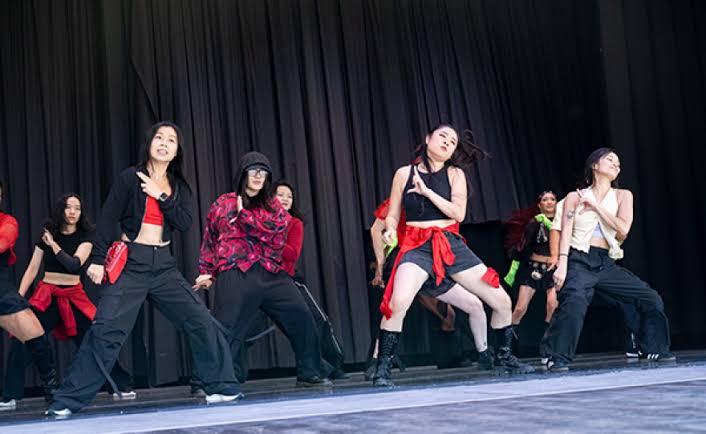
Here is what the marketing materials do not tell you. When a community organization sets up a table at Heritage Village, is it being paid, comped, or simply invited to provide free cultural texture to a ticketed event? When a Korean American dance troupe performs before first pitch, is that a booking or an exposure opportunity? When a fan buys the ticket package, does any portion of it route to an AAPI nonprofit, or does it all sit with the club and the apparel vendor?
These are answerable questions, and different teams answer them differently. Some heritage nights carry a genuine revenue share with a local organization. Others are pure inventory sales with cultural dressing. From the outside, the two look almost identical, which is precisely the problem. A community cannot evaluate a partnership it cannot see the terms of.
How baseball got here
The heritage night is not new, and its history is worth knowing before judging the current version. Ethnic heritage days at ballparks go back decades in American baseball, originally organized by community groups who bought blocks of tickets themselves and negotiated for an anthem singer or a pregame ceremony. The community was the promoter. The club was the venue.
What changed is that teams took the function in house. Once a front office realized these groups were reliably moving thousands of tickets on low demand weeknights, the heritage day stopped being something a community organized and became something a team sold. That shift is the whole ballgame. It moved control, revenue, and creative decisions from the community to the club, and it happened without much comment because on the surface nothing looked different. Same night, same jersey, more polish.
Japanese Heritage Night has an additional layer, because it is frequently tied to a Japanese player on the roster and functions partly as a market play toward Japanese broadcast and sponsorship money. Whether that is community celebration or international business development depends entirely on where you are sitting, and both answers are defensible.
What a media partnership changes
NextShark joining as a promotional partner is the most interesting development in this year's program, because it moves heritage nights out of pure sponsorship and into media. An Asian American publication promoting an Asian American themed event to an Asian American audience is a legitimate business relationship, and it is also the moment where editorial independence gets tested. Coverage and promotion are different products. Outlets that blur them lose the trust that made them worth partnering with in the first place.
This is not a hypothetical concern for anyone in AAPI media. The audience is valuable, brands have noticed, and the money increasingly arrives with an expectation of favorable framing. Every outlet in this space, this one included, has to draw that line publicly rather than privately.
How to tell a good heritage night from a good ticket promotion
A few practical markers. Does the community programming get budget, or just space? Are AAPI owned food vendors selling inside the stadium at standard concession terms, or parked outside as decoration? Is there year round engagement, or does the relationship exist for one Tuesday? Does the club employ anyone from the community in a decision making role, or does the partnership live entirely in ticket sales?
None of those questions require hostility to ask. The Angels are running more of these events than most teams, and the block party format is a real upgrade on a giveaway table. But the AAPI consumer market is now large enough that being courted is not remarkable. Being paid is.
What communities can actually ask for
If you run an AAPI organization that gets invited to one of these, there is leverage available and most groups do not use it. A few things worth putting in writing before agreeing to participate.
- A stipend for performers, full stop. Cultural performance is labor, and a club paying its grounds crew can pay a lion dance troupe.
- A ticket allocation your organization controls, so you can distribute to families who would not otherwise attend rather than just filling seats the club was going to sell anyway.
- Named recognition, not generic "community partners" signage, and a say in how your community is described in the marketing copy.
- Concession access on the same terms as any other vendor, if you have food businesses in your network.
- A conversation about next season before this one ends, because a one night relationship is a transaction and a multiyear one is a partnership.
Clubs generally say yes to more of this than groups expect, because the alternative is a heritage night with nobody credible attached to it, and that is a reputational problem no marketing department wants.
Japanese Heritage Night follows in September, which gives the club a second data point and gives everyone else a second chance to ask.
Sources: NextShark on the 2026 partnership; Angels Heritage Nights.