Ms. Chen is 64, works as a home care aide and came to the United States from Guangdong. She has also stopped using her food stamps. "I'd rather eat less and not use the food stamps," she told AsAmNews. She is applying to bring her eldest son to the U.S., and she is afraid that using SNAP will count against him. She is not alone, and the fear she describes is doing exactly what public health workers warned it would: keeping eligible people away from food and health care they are entitled to.
What is the public charge rule?
The public charge rule that took effect on September 18, 2026, directs immigration officers to weigh an applicant's overall circumstances, including income, health, family situation and potential reliance on public resources, when deciding whether that person is likely to become a "public charge." That judgment can affect whether someone receives lawful permanent residence or is allowed to enter the country, according to AsAmNews.
On paper, the rule does not cover every benefit, and it does not apply to every immigrant. In practice, that distinction barely matters. Most families do not have an immigration lawyer on call. They hear that using benefits could hurt a green card case, and they stop using benefits, including ones that would never have been counted.
The chilling effect, in real people
AsAmNews spoke with a second immigrant, Ms. Fang, who also stopped using food stamps after hearing about the rule. Her husband, a 65-year-old green card holder, is now hesitant to use Medicare, a program he paid into and that has nothing to do with the public charge test in the way most people fear.
Lisa Zhen, director of social services at Homecrest Community Services in Brooklyn, told AsAmNews that about 20 elderly people have come to her with questions since August. Even when she can tell them a benefit is not covered, uncertainty wins. People choose caution.
Researchers have a name for this: the chilling effect. When the first Trump administration expanded public charge rules in 2019, studies found immigrant families dropped out of programs well beyond the ones the rule targeted, and the drop included U.S. citizen children in mixed-status households. The same pattern is visible again, this time starting with the people least able to absorb it.
Why Chinese immigrant elders are especially exposed
Chinese immigrants were the third-largest foreign-born group in the United States in 2023, according to AsAmNews. Many are older, many work in low-wage care and service jobs, and many are sponsoring family members through the immigration system. That combination puts them right where the rule bites hardest: they need help with food and health care, and they have a relative's application they are afraid to jeopardize.
Language adds another layer. Official guidance is written in dense English, and much of what reaches Cantonese and Mandarin speakers comes through WeChat groups, neighbors and in-language media, where the most frightening version of the rule travels fastest. Community organizations like Homecrest have become the front line for correcting it.
The same pressure is showing up across the country. In Oakland, Asian Health Services has been helping patients understand new policy changes, AsAmNews reported in September. Clinics and social service agencies are doing legal triage they were never funded to do.
What the rule does and does not do
The most important thing families can know is that the answer depends on their specific situation. Many immigrants, including refugees, asylees and green card holders applying for citizenship, are generally not subject to a public charge test in the same way. Benefits used by U.S. citizen children are treated differently from benefits used by the applicant. And some programs are not counted at all.
That is exactly why blanket fear is so damaging. A grandmother skipping meals to protect her son's application may be protecting nothing. The only way to know is to ask a qualified immigration attorney or an accredited community legal service before dropping a benefit.
What community groups are asking for
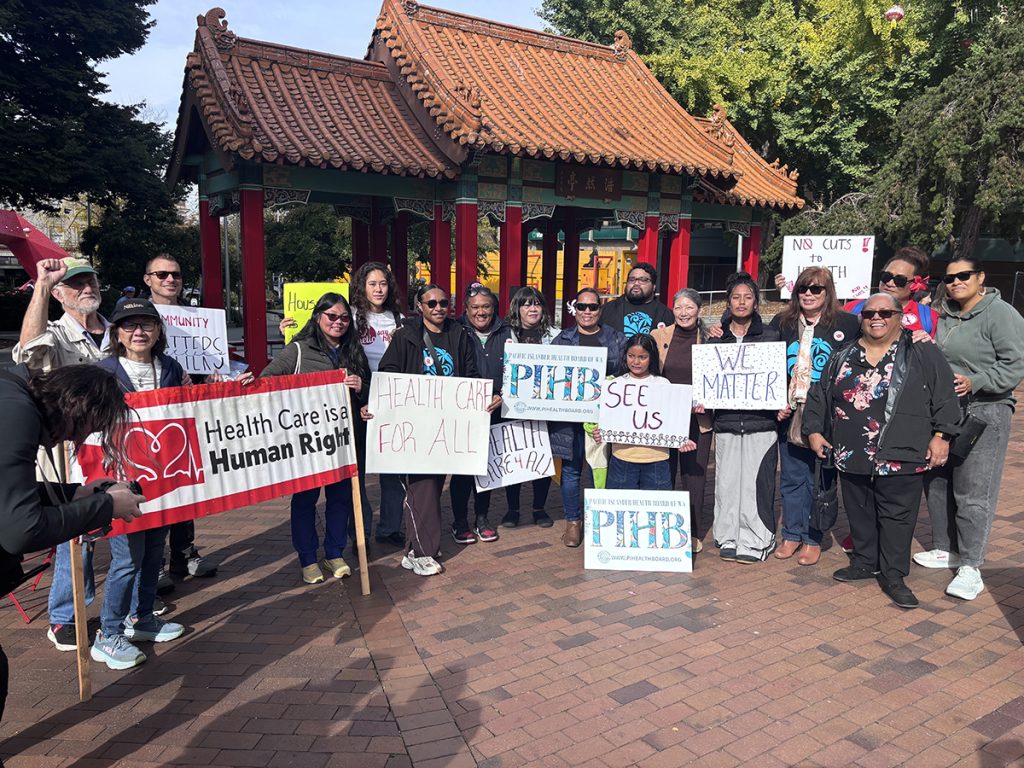
Advocates are pushing for two things. The first is clear, in-language guidance from the government itself, spelling out which benefits count and which do not. The second is funding for the community organizations that are already answering these questions one anxious elder at a time.
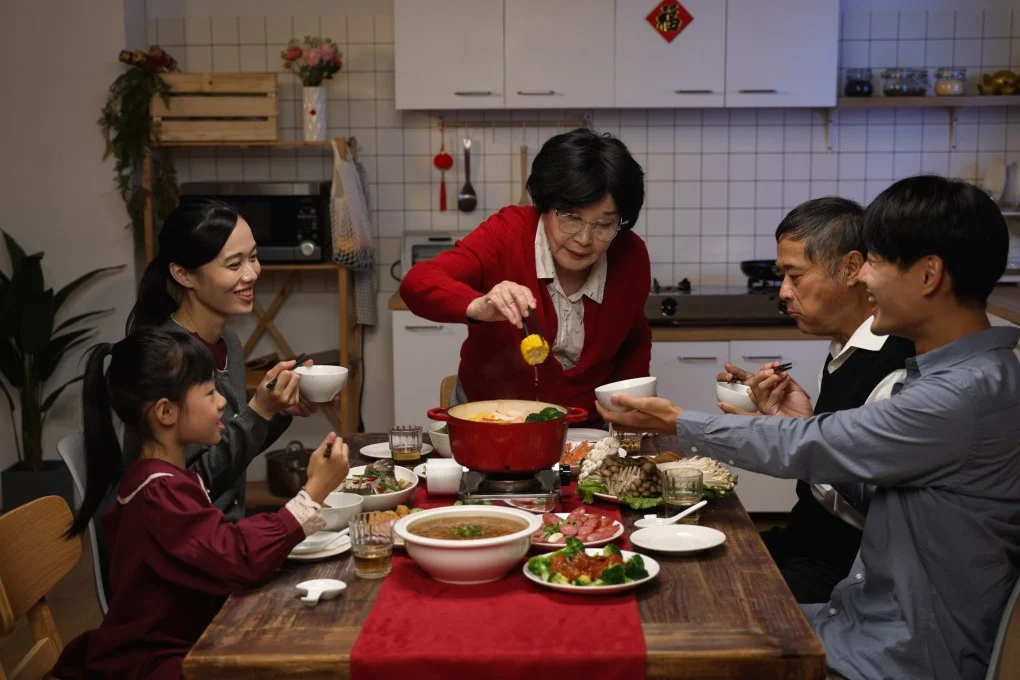
Until then, the cost of the rule is being paid at kitchen tables in Brooklyn and Oakland, in meals skipped and prescriptions not filled. As Ms. Chen put it, she would rather eat less. No policy should leave a 64-year-old care worker making that choice out of fear.