Emmy-winning filmmaker Deanne Borshay Liem is making a new Korean adoptee documentary called Relative Strangers, a film that follows six mixed-race Korean adoptees as they reconnect with their birth families through DNA test kits and social media. The project was reported by AsAmNews on October 10, which cites the Korea Times.
No release date or production schedule has been announced. What exists so far is a premise, a filmmaker with a deep body of work on the subject, and a personal story behind it.
What is Relative Strangers about?
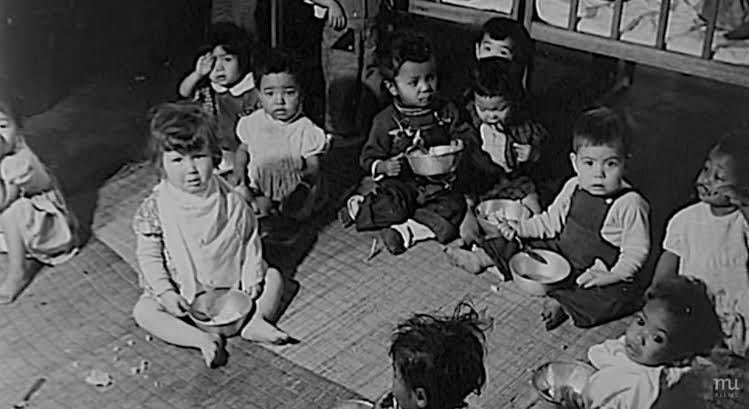
Relative Strangers centers on six Korean adoptees who are mixed race and who found their way back to birth relatives using the tools available to adoptees today: consumer DNA kits and social media. Each reunion is its own story. Together they form a portrait of a chapter of Korean history that Liem says has been repressed.
Liem says the stories reveal parts of what she calls "Korea's repressed history." She points to American military camptowns, the stigma and pressure that young Korean mothers faced, and the racial stereotypes that led to the removal of mixed-race children. The film also follows the early lives of these adoptees in white and Black families in the United States and Europe.
That last detail matters, because it puts the adoptees' childhoods in the United States and Europe, not only their reunions in Korea, at the center of the film.
Why this filmmaker, and why now?
Liem is not new to this ground. Her earlier films on the subject are First Person Plurals and In the Matter of Cha Jung Hee. Her connection to the material is personal.
For most of her life, Liem believed she was an orphan. She is one of about 140,000 South Korean adoptees placed abroad after the Korean War. In the 1980s, she learned that her true identity was Kang Ok Jin and that she had living relatives. Before that discovery, she had recurring images of her life in South Korea before adoption. Old photos later led her to conclude that she had been mistaken for a girl named Cha Jung Hee.
In an email to the Korea Times, Liem said her interest in transnational adoption "has endured." She described her work as a way to process her own life while educating the public and supporting community healing.
How does this fit a larger reckoning over Korean adoption?
The timing sits alongside a broader public conversation. AsAmNews notes that a 2025 NPR article reported that South Korea had admitted its agencies mishandled international adoptions. That admission is the backdrop against which a new film about adoptees and their birth families arrives.
For Asian American audiences, and for the filmmakers, programmers and distributors who shape what gets seen, the project is worth tracking. A film built around mixed-race adoptees and the search tools of the DNA era approaches the subject from a specific angle.
What should readers watch for next?
Because no timeline has been shared, the next signals to watch are festival announcements, distribution news and updates from the film's own website, which AsAmNews links in its report. When more details emerge, including who the six adoptees are and where the film will premiere, 88tumble will follow the story.
For now, Relative Strangers is a reminder that the search for family, for many adoptees, does not end with a single reunion. It can be a long process of piecing together a history that was left incomplete. A filmmaker who has returned to the subject again and again, and who has lived it, is now widening the lens to six more stories.