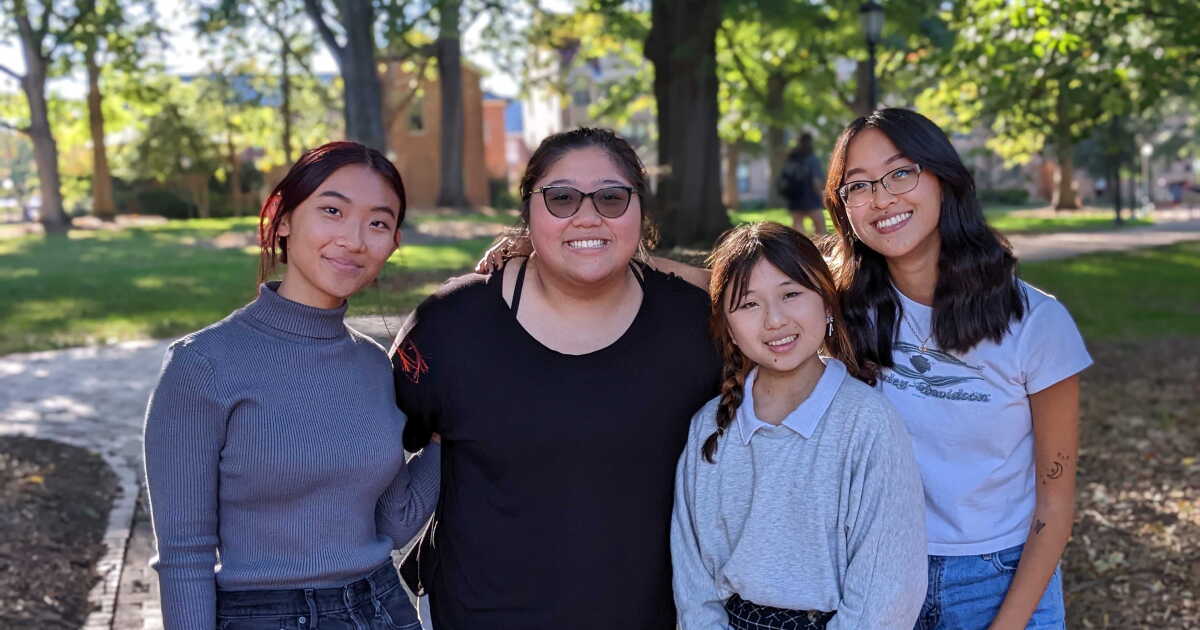
About 20 Taiwanese students were on a campus tour at the University of North Carolina at Chapel Hill in September when two or three white men approached them making monkey gestures and walking on their knuckles, according to AsAmNews. The tour had been organized by the Taiwanese Student Association. UNC police opened an investigation, surveillance cameras captured the incident, and as of AsAmNews' report no one had been arrested. Students are now asking the university for transparency and regular updates.
What happened at UNC?
Tour leader Lien Lu and UNC doctoral student Yu-Chao Huang were among those who described the incident to AsAmNews. The gestures were unmistakable, a racist trope with a long history of being aimed at Asian and Black people. For students who came to UNC from Taiwan, many of them new to the United States, it was an early lesson in how they might be seen.
UNC administrators responded with an open letter saying, "These acts violate Carolina's core values, including respect for people of different viewpoints, cultures and religions."
U.S. Representative Valerie Foushee, whose district includes Chapel Hill, asked the university to explain how it ensures student safety on campus, AsAmNews reported. A separate potential hate crime targeting Black students occurred shortly afterward and led to an arrest.
Why students want more than a letter
University statements after incidents like this tend to follow a template: condemnation, a reference to values, an assurance that the matter is being investigated. Students say that is not enough. They have asked for transparency about the investigation and regular updates on what the police have found.
The request makes sense. When there is video and no arrest, students reasonably wonder whether the case is a priority. Updates, even ones that say the investigation is ongoing, signal that it is. Silence signals the opposite.
International students in a hard moment
International students from Asia are navigating an unusually tense environment in 2026. Visa policy has tightened, political rhetoric about China and Chinese students has sharpened, and Asian international students often have fewer support networks than domestic students. Many are reluctant to report harassment at all, worried that drawing attention could complicate their visa status or their families' plans.
Taiwanese students sit in a particular position. They are often lumped together with mainland Chinese students by people who cannot tell the difference and would not care if they could. The harassment at UNC did not ask anyone where they were from.
The pattern behind the incident
Incidents like this are rarely isolated. Surveys of Asian Americans have consistently found that many feel unsafe in everyday spaces. The Asian American Foundation's 2025 STAATUS Index found that 63 percent of Asian Americans reported feeling unsafe in at least one daily setting. Campuses, which present themselves as welcoming, are not exempt.
What makes the UNC case notable is that it was caught on camera and reported publicly. Many similar incidents are never documented. That is part of why students are pushing so hard for accountability here: it is a test of whether the system works even when the evidence exists.
What universities can do
Advocates usually point to a few concrete steps. Make reporting easy and available in multiple languages, including for international students worried about immigration consequences. Give student groups a direct line to campus police during investigations. Communicate updates on a set schedule. And make sure counseling and support services understand the specific pressures international students face.
For the Taiwanese students at UNC, the outcome of this investigation will shape whether they believe their university will protect them. For every Asian student watching, it will say something about whether reporting is worth the risk.