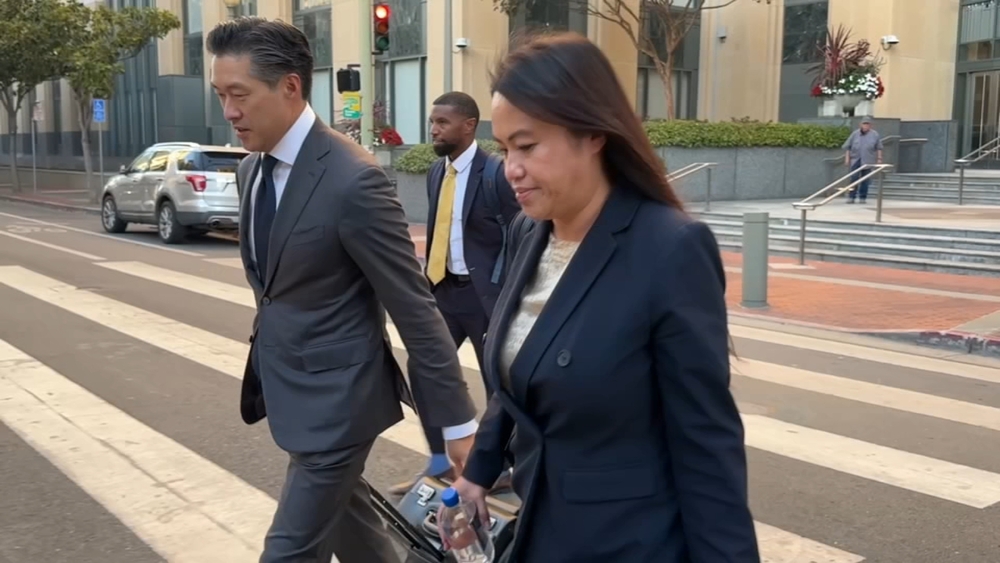
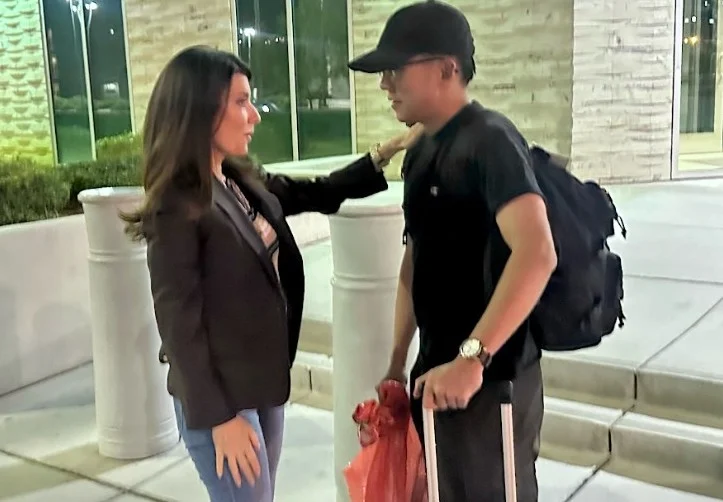
Ho Yin Mo spent more than two weeks in immigration detention. The California legislative aide and former KTSF news anchor was arrested by ICE agents at Harry Reid International Airport in Las Vegas in late September and released on October 2, after a judge's bond ruling on September 30, AsAmNews reported. He is free, but his deportation case continues, and his arrest has become a flashpoint for Bay Area Chinese American communities who know him from years on Cantonese-language television.
Who is Ho Yin Mo?
Mo is a field representative in the office of California Assemblymember Catherine Stefani, where he helps Cantonese- and Mandarin-speaking residents with government services. Before that, he was a news anchor at KTSF, the San Francisco Bay Area station that has served Chinese-speaking audiences for decades. For many Bay Area immigrant families, he was a familiar face delivering the news in their own language, and later the person who helped them navigate state government.
Why was he detained?
The Trump administration claimed Mo overstayed his visa. His supporters maintain he was "legally authorized to work in the United States," according to AsAmNews. That dispute is now a matter for the immigration courts.
His attorney, Dee Sull, criticized the administration for "causing chaos for individuals and families who followed the rules." Stefani called Mo "a lawful public servant and a cherished part of our Bay Area family."
After his release, Mo said, "I'm overwhelmed with gratitude for the tireless work of Assemblymember Stefani, my legal counsel and every individual who advocated on my behalf."
Why this case hit a nerve
Immigration status in the United States is often complicated in ways that are invisible from outside. People move between visa categories, wait years for pending applications, and hold work authorization while their cases are processed. A missed notice, a processing delay or a disagreement over paperwork can turn a person who has followed the rules into a detainee overnight.
Mo's case resonates because he is so visibly part of public life. If a state legislative aide and longtime broadcaster can be detained at an airport, many immigrants reasoned, so can they. That fear has consequences of its own: people avoiding travel, skipping court dates out of fear, or staying away from government offices where they might be asked for documents.
Airports have become a recurring setting for these arrests. As we reported earlier this fall, ICE arrests of Asian immigrants at airports have sent a chill through communities that travel frequently for family and work.
The role of in-language public servants
There is a particular irony in Mo's detention. His job is to help Chinese-speaking Californians deal with government. Staff like him are the bridge between immigrant communities and public institutions, and they are rare. Losing him, even temporarily, means hundreds of constituents losing the person who could explain a notice or follow up on a case in Cantonese.
That is part of why Stefani's office and community advocates moved so quickly. The case was not only about one man. It was about whether the public servants who serve immigrant communities can do their jobs without fear.
What happens next
Mo's release on bond does not end the case. An immigration judge will still decide whether he can remain in the United States, and the government will argue he is removable. His lawyers will argue he was authorized to be here.
For immigrants following his case, the practical lessons are familiar. Keep copies of all immigration documents and receipts. Know the status of any pending application. Have the contact information of an immigration attorney before you travel. And if you or someone you know is detained, organizations such as Asian Americans Advancing Justice and local legal aid groups can help connect families with representation.
Mo is home. Whether he gets to stay will be decided in the months ahead.