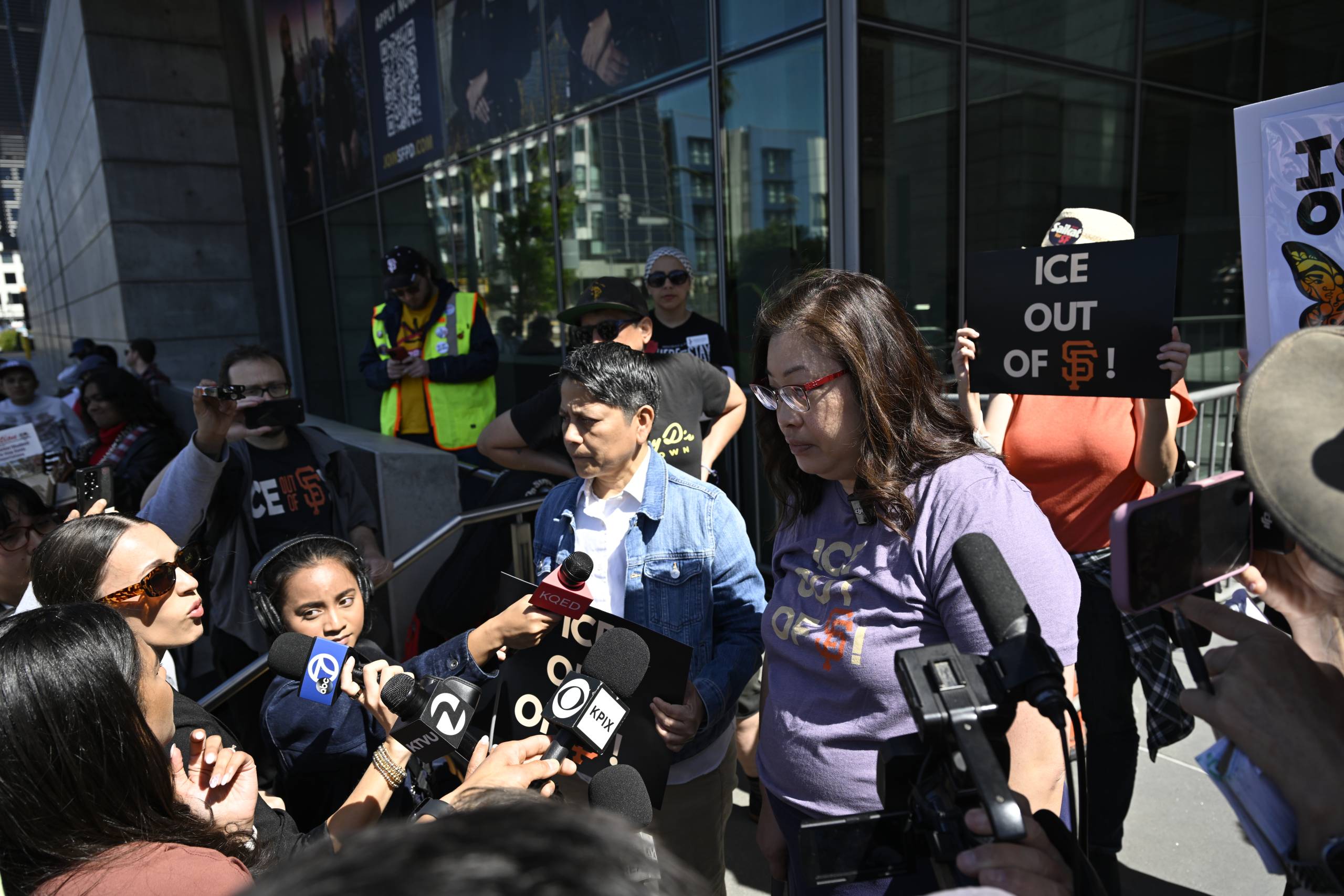
ICE arrests at SFO have pushed Bay Area immigrant families into a decision most of them never expected to face, which is whether getting on a domestic flight is worth the risk. Attorneys and civil liberties advocates now believe federal agents are identifying travelers from airline passenger data before they ever reach the gate. State Senator Scott Wiener has said plainly that airports are being turned into a dragnet.
For the Bay Area's Chinese, Filipino, Indian, and Vietnamese communities, where families are spread across states and where a large share of the tech workforce holds temporary status, this is not a story about the border. It is a story about whether you can go to a cousin's wedding in Texas.
What is actually happening at SFO
The clearest documented case came in March, when a mother and daughter living in Contra Costa County were detained at San Francisco International Airport. Reporting indicated the Transportation Security Administration flagged the pair to immigration authorities after their names appeared on a flight's passenger list.
That detail is the one that changed the calculation for a lot of people. An arrest at an airport is one thing. Advance identification from a manifest is another, because it means the encounter is not a matter of being in the wrong line at the wrong moment. It means the trip itself is the trigger.
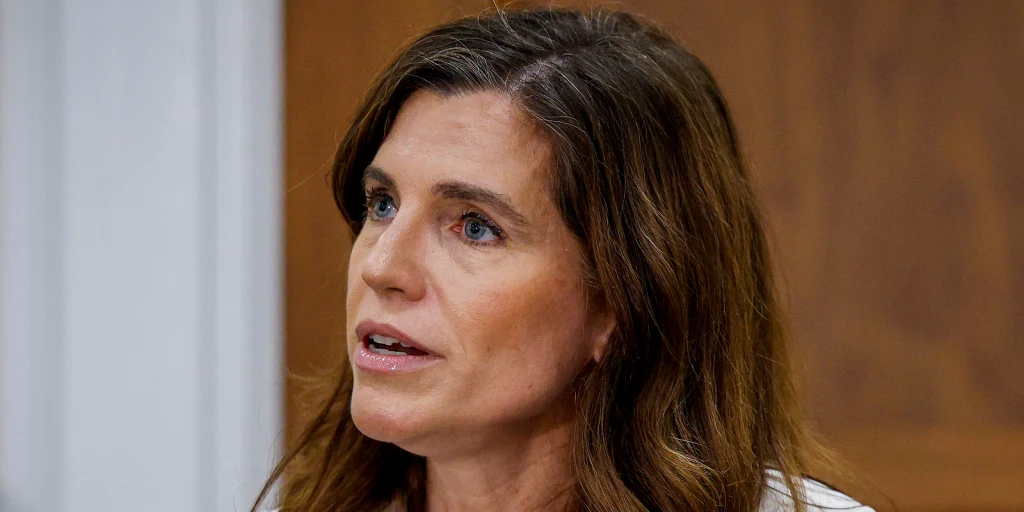
Wiener, who represents San Francisco in the State Senate, responded to the reporting by calling it despicable that TSA was sharing the information, and said American airports were apparently now ICE dragnets. He has since pressed the city and the airport to make cooperation as difficult as the law allows.
Community organizations have reported a series of additional arrests at Bay Area airports over the summer, and by late July local advocates were openly advising noncitizens to avoid air travel. Exact arrest counts circulating in community channels have not been independently confirmed, and the number matters less than the behavior change it has already produced.
Can ICE arrest you at a domestic airport?
Yes, and the legal architecture is more permissive than most travelers assume. Airports are public spaces, and immigration agents do not need a judicial warrant to approach someone, ask questions, or make an arrest based on an administrative warrant. The protections that apply at a home's front door do not apply at a terminal.
What is contested is the data pipeline feeding those encounters. Passenger name records contain a great deal of information, and privacy advocates have argued that routing it to immigration enforcement exceeds what travelers consented to when they bought a ticket. That question is unresolved, and it is the one most likely to end up in court.
Why this lands hard on Asian immigrant households
Roughly three in ten Bay Area residents are Asian American, and the region's immigration profile is unusually weighted toward employment based status. H-1B holders, people on pending adjustment of status applications, and green card holders with old records all occupy positions that feel secure until enforcement priorities shift.
Employment visa holders in particular have found themselves in an unfamiliar category. Many arrived through a legal channel the country actively recruited them into, bought homes, raised children who are citizens, and assumed the arrangement was stable. The reports out of SFO have introduced a possibility that had not previously been part of the deal, which is that a work trip could end the arrangement.
The result is a quiet, uncounted retreat. Families are skipping funerals. Parents are not flying to graduations. Elderly relatives are not visiting. None of that shows up in an arrest statistic, and all of it is the actual effect of the policy.
This is the same pattern we have tracked through enforcement actions in Asian American communities and through the targeting of nail salon workers. The arrests get the coverage. The withdrawal from public life is the larger story and the harder one to photograph.
The sanctuary question San Francisco has not answered
San Francisco has a sanctuary ordinance limiting municipal cooperation with federal immigration enforcement. SFO is owned and operated by the City and County of San Francisco. Those two facts sit uneasily together when federal agents are making arrests inside a city owned facility.
Advocates have demanded to know whether local personnel assisted in any of the incidents, and whether the airport has any authority over what federal agencies do inside its terminals or what data flows between them. A privacy expert quoted in local reporting framed the open question directly, asking whether SFO can rein in the feds at all.
The honest answer appears to be that nobody is certain. Federal agencies operate at airports under federal authority, and a municipal ordinance cannot instruct TSA on how to handle its own data. What the city may be able to control is narrower: physical access, use of city facilities for detention, and whether local officers participate in any capacity.
What people are being told to do
Immigration attorneys have converged on similar advice. Carry proof of status. Know that you can decline to answer questions about place of birth or immigration status, and that you can ask whether you are free to leave. Understand that a judicial warrant signed by a judge is different from an administrative ICE warrant, and that only the former carries the authority people assume.
Several Bay Area legal aid organizations have expanded know your rights sessions specifically for air travel. Community groups have set up accompaniment programs. None of that is a substitute for the underlying question, which is whether people with lawful status should have to prepare for an interrogation to fly from San Francisco to Seattle.
What to watch
Three things will determine where this goes. Whether any litigation successfully challenges the passenger data sharing. Whether San Francisco identifies any actual lever over operations at its own airport. And whether the arrests continue at the summer's pace into the fall travel season, when the holidays put far more people through the terminal.
Until then, the practical reality for a large number of Bay Area families is that a domestic flight has become a risk assessment. That is a remarkable thing to be true in 2026, and it has happened with very little public accounting.