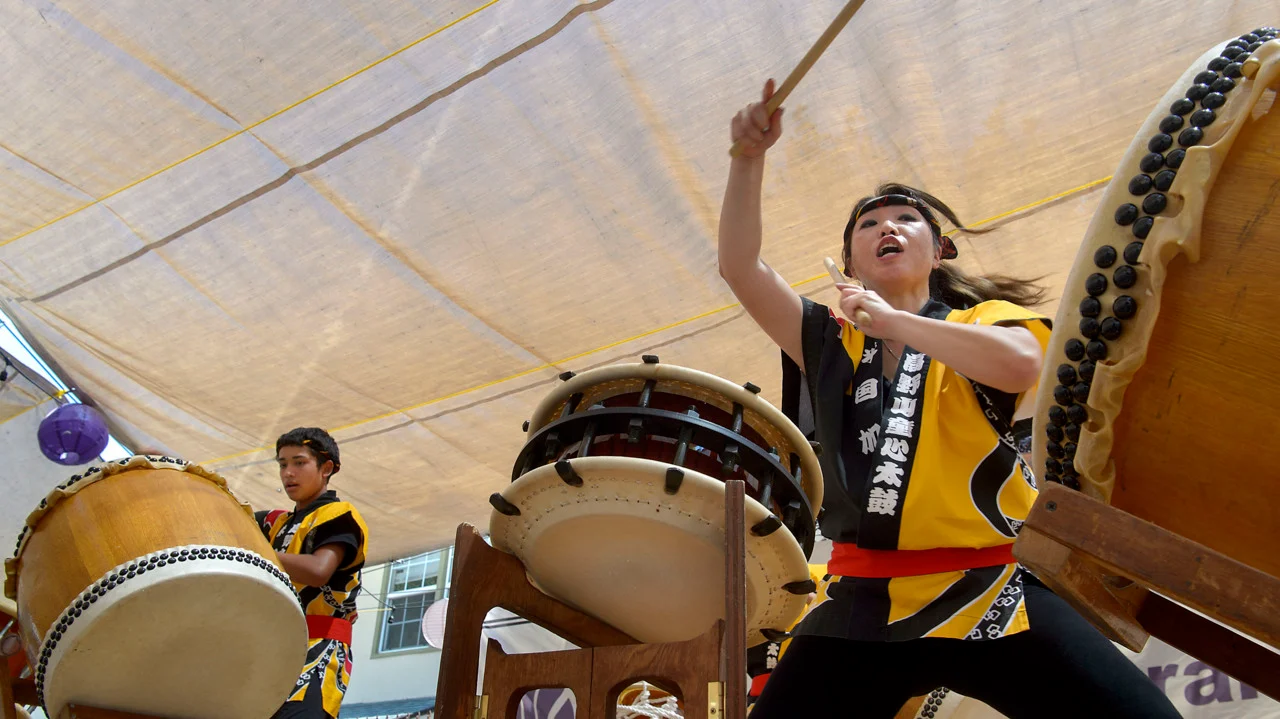
The Buddhist Church of Sacramento held its 80th Japanese Food and Cultural Bazaar on August 8, drawing the crowd it draws every summer to Riverside Boulevard for teriyaki, taiko, and udon that people drive two hours for. The Sacramento Japanese Food and Cultural Bazaar history most attendees know is the food. The part fewer know is that the event exists because in 1946 a lot of Japanese American families came back to Sacramento and had nowhere else to go.
How the bazaar started
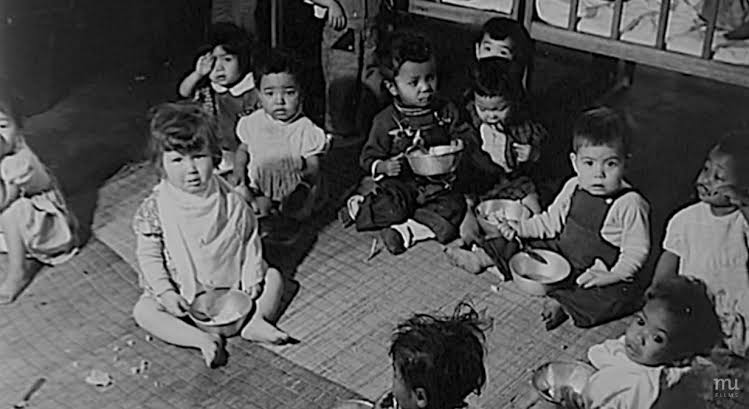
Japanese Americans began returning to the West Coast in 1946, released from the camps they had been forced into under Executive Order 9066. Many came back to Sacramento to find their homes occupied, their farms sold, their businesses gone. The legal machinery that had removed them offered no machinery for putting anything back.
The Buddhist Church of Sacramento became a place to land. Not metaphorically. Returning families used the church as a physical waypoint while they figured out where to live and what work existed. The first bazaar followed in 1947, and it was not conceived as a cultural showcase for outsiders. It was a social event for a community that had been scattered across camps in Arkansas, Arizona, and California and needed a reason to be in the same room again.
That is a different origin than most heritage festivals have. The bazaar was not built to explain Japanese American culture to Sacramento. It was built because the people who made it had just lost almost everything and wanted to eat together.
What eighty years of continuity actually means
An unbroken run of eight decades is unusual for any community event, and it is remarkable for one founded by people with no capital and no property. The bazaar outlived its emergency. It kept going through the generations when Japanese Americans were being held up as the model minority success story, through the redress movement of the 1980s that won a formal apology and reparations, and into a present where the same arguments about who belongs are being made about different people.
The 2026 edition ran under the theme Where Tradition Meets Today. The food list is long and specific: teriyaki beef sandwiches, chicken teriyaki, inari sushi, Spam musubi, an pan, kuro manju, mochi on a stick, karaage, California rolls, tuna poke, matcha lattes, Japanese beer and sake. Cultural programming included taiko and koto performances, martial arts and ikebana demonstrations, and a session called Buddhism 101.
Spam musubi and an pan on the same menu is its own small piece of history. One is a Hawaii born dish that traveled to the mainland through Japanese American networks. The other is a Japanese sweet bread that predates the war. Both are on the table because the community that assembled the menu has been assembling it for eighty years and never stopped adding.
Where does the bazaar money go
The bazaar is the church's major annual fundraiser, and the proceeds support the affiliated organizations that have grown around it: Boy Scouts and Girl Scouts troops, youth sports programs, the Japanese language school, and senior services. That structure is the actual answer to why an event founded in 1947 still exists. It stopped being commemorative and became load bearing.
A festival that funds a language school is not nostalgia. It is a mechanism for transmitting something to people who were not there.
Why this history matters right now
Japanese American incarceration has been invoked constantly over the past two years, usually as a warning, sometimes carelessly. The comparison gets made quickly and the details get lost. What the bazaar preserves is the part after, which almost never gets told: the years of rebuilding, and how slow and unglamorous they were.
Sacramento's Japanese American community did not recover because the country apologized. The apology came in 1988, forty two years after people came home. What happened in between was churches, credit circles, farm labor, small businesses opened on borrowed money, and events like this one that gave people a reason to keep showing up for each other.
That is a more useful history than the warning version, because it describes what communities actually do when institutions fail them. It is also directly relevant to the present. The same museum that memorializes this history in Los Angeles was the site of a federal immigration operation last August that agents later described in sworn testimony as politically motivated. The distance between the history and the present is shorter than the anniversary framing suggests.
The generation that remembers the first ones is going
Eighty is the last round anniversary where anyone present at the founding could still be alive, and the number of people who attended the 1947 bazaar as adults is now essentially zero. The Nisei generation that rebuilt Sacramento is gone or nearly so. What remains is Sansei and Yonsei running the teriyaki line their grandparents ran, which is exactly the transmission the bazaar was built to accomplish, and also a quieter kind of loss.
Community food events across the country face the same arithmetic. The volunteers are aging, the recipes live in people rather than documents, and the labor required to feed several thousand people in a day is enormous. The Sacramento bazaar has managed the handoff better than most, largely because it never stopped being a fundraiser with a job to do.
If you go next year
The bazaar runs one Saturday each August at 2401 Riverside Boulevard, generally 11 a.m. to 8 p.m. Go early for the udon, which has a following and runs out. Stay for the taiko.
And know what you are standing in. The building is a Buddhist temple that became a shelter for people the United States government had incarcerated on the basis of ancestry, and the festival is what those people built afterward, with almost nothing, because they wanted somewhere to be together. Eighty years later it is still going, still funding a language school, still frying karaage. That is the story, and it is a better one than the food.