When people picture Filipino America, they usually picture California, Hawaii, maybe New Jersey or Las Vegas. The Filipino American Community of the Carolinas wants you to add Charlotte. The organization will mark its 37th annual celebration on November 14 at the Hilton Charlotte Airport Hotel, according to AsAmNews, with a program built around a question every immigrant community eventually faces: how do you hand culture to a generation that grew up somewhere else?
The gala
The FACC celebration will feature regional garments representing the Philippine archipelago and performances of classic dances including tinikling, the bamboo pole dance, and singkil, the dance rooted in Maranao traditions of Mindanao, presented with contemporary interpretations, AsAmNews reported. Tickets and details are available at facc-carolinas.org.
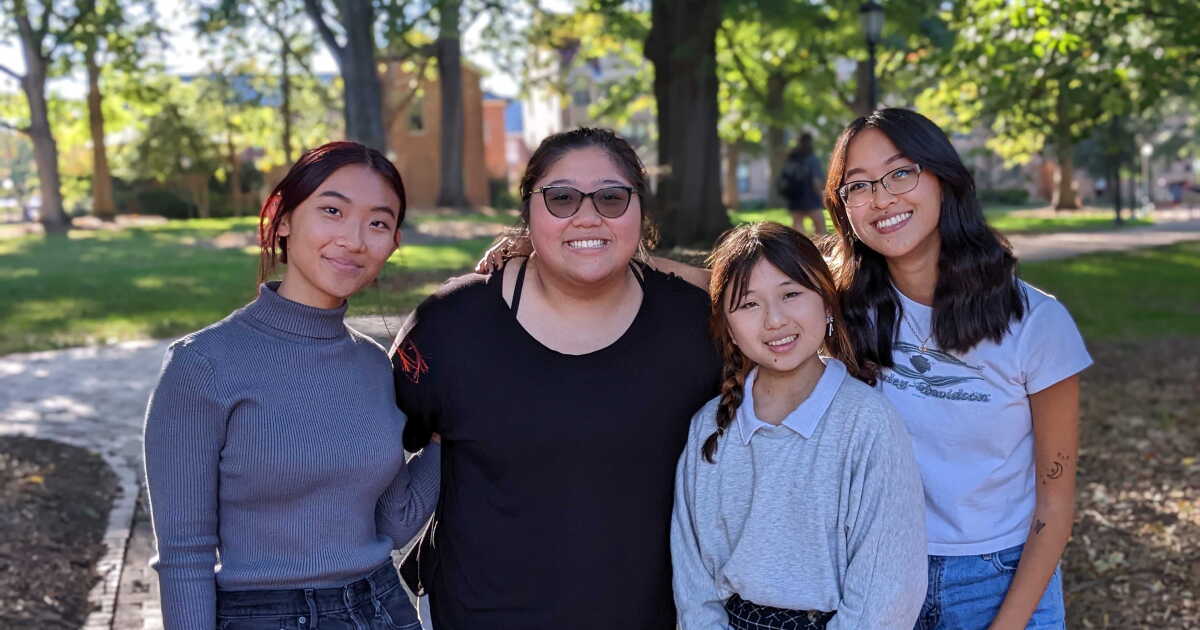
This year's focus is youth. The organization is partnering with student groups from UNC Chapel Hill, the University of South Carolina and UNC Charlotte to bring younger Filipino Americans into leadership.
FACC leader Dr. Louis Aquilo told AsAmNews the community wants to "continue the traditions of the dance, the cultures" while letting younger generations add "a little bit much more modern twist" without losing Filipino identity.
Why Filipinos are moving to the Carolinas
Aquilo and fellow leader Dean Villapando pointed to a wave of Filipino educators and professionals settling around Charlotte, alongside second- and third-generation families putting down roots across local industries, according to AsAmNews.
The educators are part of a well-documented national trend. Over the past two decades, school districts facing teacher shortages, especially in math, science and special education, have recruited teachers directly from the Philippines through visa programs. Many arrive in places with small existing Filipino communities, and organizations like FACC become their first network.
The South has been one of the fastest-growing regions for Asian Americans overall, driven by jobs, lower housing costs and university growth. Charlotte, with its banking and health care sectors, has drawn professionals from across Asian communities.
Building community without a Filipinotown
In Los Angeles or Daly City, Filipino life is anchored by neighborhoods, supermarkets, parishes and restaurants. In Charlotte, community often has to be built on purpose. Organizations like FACC fill that role, providing the cultural events, mutual aid and social connections that a dense neighborhood would otherwise supply.
That makes an annual gala more than a party. For a newly arrived teacher from Iloilo or a nurse from Pampanga, it may be the first room in the Carolinas full of people who understand where they came from. For their kids, it may be the place they first learn tinikling.
Passing it on
The tension Aquilo describes, preserving tradition while letting young people change it, is one every diaspora faces. Folk dance is a good example. Tinikling and singkil are performed at Filipino cultural nights on campuses across the country, often by students who learned them in college rather than at home. Their versions are sometimes faster, sometimes remixed, sometimes set to modern music.
That is not a loss. It is how traditions survive. A community that insists on freezing its culture tends to lose its young people. One that invites them to reinterpret it keeps them.
Filipino American History Month, beyond the coasts
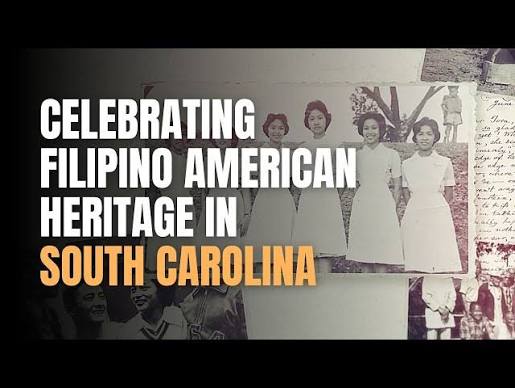
October is Filipino American History Month, and coverage tends to focus on the big coastal communities. The Carolinas story is a reminder that Filipino America is spreading, and that the work of building community is happening in places most national coverage overlooks.
For Filipino Americans in the Carolinas, November 14 is a date to mark. For everyone else, it is a sign of where Filipino America is heading.