Aswang, Manananggal and the Rise of Filipino Horror

If you want something genuinely scary this Halloween, skip the slasher reboots and look to the Philippines. Philippine folklore has some of the most unsettling monsters anywhere, and right now they are having a moment on screen. Netflix's Balaraw: Blood Island, an eight-episode Filipino horror mystery, has been streaming since September 24, and DreamWorks' Forgotten Island brought Philippine creatures to multiplexes this fall. For Filipino Americans who grew up hearing these stories from their lolas, it is strange and thrilling to see them go global.
What is Balaraw: Blood Island?
Directed by Rae Red and produced by Epicmedia, Balaraw: Blood Island follows Sabina, played by Janine Gutierrez, who follows cryptic clues to an uncharted island while searching for her missing mother, played by Agot Isidro. Charlie Dizon co-stars. The series blends Philippine folklore with psychological horror, and Netflix has described it as an atmospheric horror mystery with shades of Lost that keeps its Filipino sensibilities, according to ComicBasics. It is one of Netflix's most ambitious Filipino original productions to date.
Meet the monsters
Philippine folklore is crowded with creatures, many of them grouped loosely under the word aswang, a catchall for shapeshifting, flesh-eating beings that vary from region to region. A few are worth knowing before you press play.
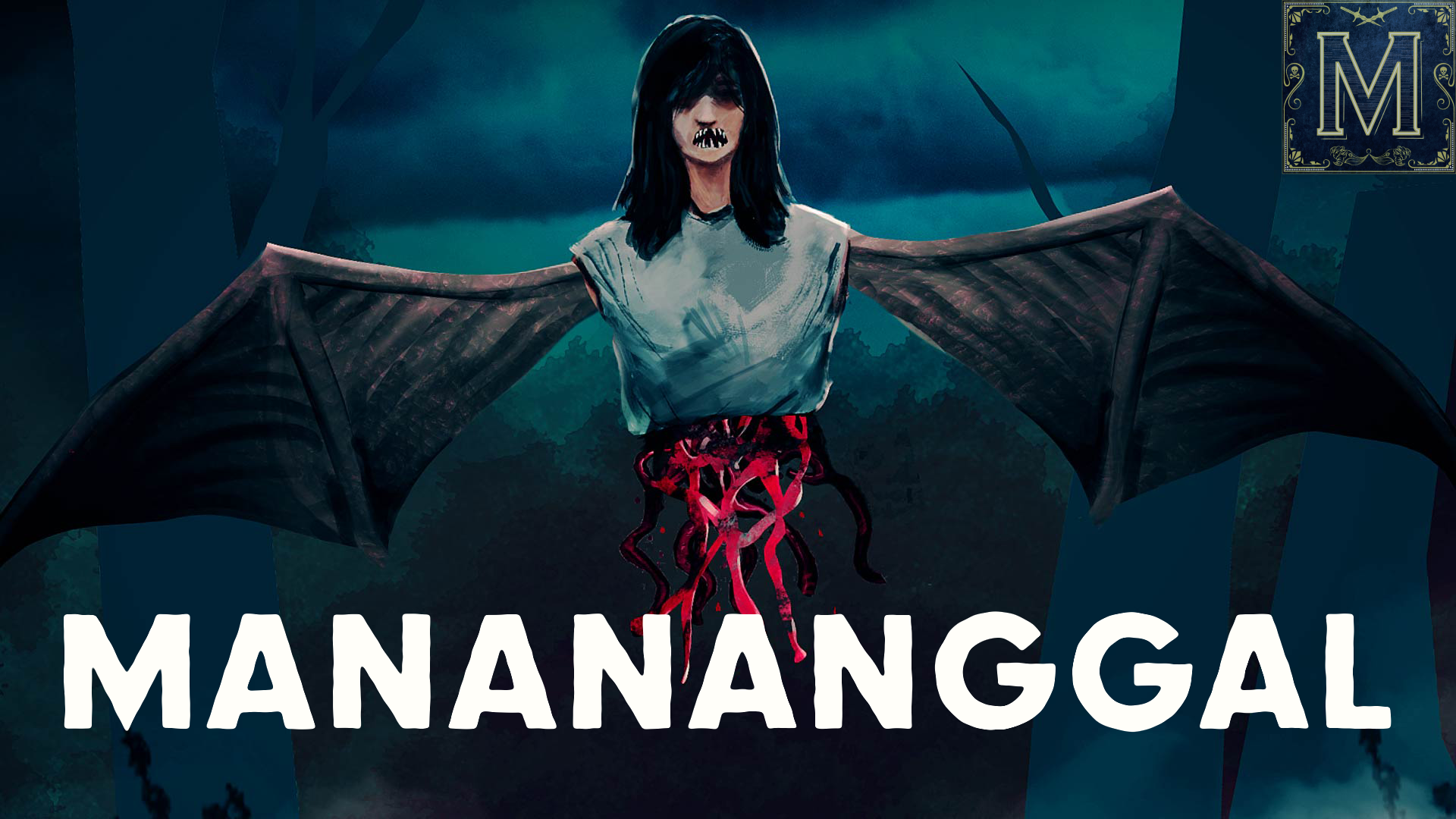
The manananggal is perhaps the most famous. By day she looks like an ordinary woman. At night she separates her upper body from her legs, sprouts bat-like wings and flies off to hunt. The way to stop her, according to the stories, is to find the lower half she left behind and cover it with salt, garlic or ash.
The tiyanak takes the form of a crying infant, luring travelers who stop to help before revealing its true shape.
The kapre is a towering, tree-dwelling giant who smokes a cigar. He is less a killer than a trickster who leads people astray in the forest.
The duwende are small spirits living in mounds, trees and houses. Many Filipino families still say "tabi tabi po," asking permission to pass, when walking near places they might live.
The batibat is a spirit linked to sleep paralysis, said to sit on the chests of sleepers.
Forgotten Island drew on several of these, including the manananggal, batibat and duwende, according to AsAmNews' review of the film.
Why these stories endure
Folk horror always says something about the society that tells it. Many aswang stories center on women who live alone or outside village norms, and some scholars have read them as tools for policing gender and community boundaries. Others connect the legends to the colonial period, when Spanish friars encouraged fear of local healers and spiritual figures.
For the diaspora, the stories do something else. They are a thread back to grandparents and to provinces many Filipino Americans have never visited. Lolas who warned grandchildren about the aswang were passing on more than a scare. They were passing on a world.
The global rise of Asian horror
Asian horror has been a global export for decades, from Japanese and Korean horror cinema to Thai and Indonesian hits on streaming. Philippine horror has a long, rich film tradition of its own, but it has rarely reached audiences outside the country at the same scale. A Netflix original series and a DreamWorks animated feature in the same year suggest that is changing.
Your Filipino Halloween watchlist
Start with Balaraw: Blood Island on Netflix. If you have younger viewers, Forgotten Island offers the creatures without the nightmares. Then ask the oldest Filipino in your family what they were warned about as a kid. The best aswang stories have never been on any screen.
Happy Halloween, and happy last day of Filipino American History Month. Keep the garlic handy.