Southeast Asian American college enrollment is at the highest level any generation of these communities has reached. Cambodian, Hmong, Lao, and Vietnamese American students are finishing high school and entering college at rates their parents and grandparents did not approach. That finding comes from Rising Up: The Southeast Asian American Educational Journey, released this year by the Southeast Asia Resource Action Center, and it should be the good news story of the year in Asian American education.
It is not, because the same report documents the machinery that produced the gains being pulled apart in real time.
What are AANAPISIs and why do they matter?
Asian American and Native American Pacific Islander-Serving Institutions are colleges that qualify for a federal designation based on enrollment of AAPI and low income students, which unlocks competitive grant funding for student support. The category was created in 2007, so the program is now around fifteen years into its life.
Here is the number that should anchor every conversation about this: AANAPISIs enroll more than 40 percent of all Asian American and Pacific Islander undergraduates while making up roughly 6 percent of institutions. These are community colleges and regional publics, not selective universities. They are where the actual population goes.
They are also where the wraparound services live. Bilingual advising, first generation student programs, culturally competent mental health support, and transfer counseling are the things AANAPISI grants pay for, and they are the difference between a Hmong first generation student enrolling and that same student finishing.
The threat SEARAC documents
SEARAC's report and its accompanying five part fact sheet series lay out several pressures arriving at once. Federal funding reaches only a fraction of eligible institutions to begin with, so the program was under resourced before anything was cut. Recent cuts and legal challenges to minority serving institution designations put the remaining funding at risk. And immigration enforcement escalation is affecting students and teachers directly, which for Southeast Asian American communities is not an abstraction, given how many families carry unresolved status issues traceable to the refugee resettlement era.
Put those together and the trajectory is grim in a specific way: the progress is real, it is recent, it is fragile, and it depends on funding that is being withdrawn precisely as it starts working.
Why aggregated data hides this
The report also presses hard on data disaggregation, which sounds like a technical complaint and is actually the whole fight. When federal and state agencies report outcomes for "Asian Americans" as a single category, the numbers are dominated by populations with high degree attainment, and Southeast Asian American outcomes disappear inside the average.
The practical effect is that a Cambodian American student body with a bachelor's attainment rate far below the national average shows up in policy documents as part of a group that appears to need no support at all. Funding formulas, research priorities, and program eligibility all follow the aggregate. Disaggregation is not a request for better statistics. It is a request to be visible to the systems that allocate money.
What disaggregation looks like in practice
The fight over disaggregated data has been running at the state level for more than a decade, and it is instructive. California passed legislation requiring the state's public universities and health agencies to break out major Asian American subgroups. Rhode Island, Minnesota, Washington, and others have moved similar measures, usually with SEARAC and allied organizations doing the coalition work. Each time, the opposition arrives in the same two forms: a privacy concern about small sample sizes, and an argument that separating communities is divisive.
The privacy concern is technically real and technically solvable, since statisticians handle small cell sizes routinely. The divisiveness argument is the more revealing one, because it treats an aggregate that obscures need as a form of solidarity. Cambodian American organizations have generally been the ones pushing hardest for the split, which tells you who experiences the aggregate as protection and who experiences it as invisibility.
When the data does get separated, the picture changes immediately. Bachelor's degree attainment among Cambodian, Hmong, and Lao American adults sits far below the figure reported for Asian Americans overall, and in some measures below the national average for all adults. None of that is visible in a chart with one Asian bar on it.
The model minority problem, stated plainly
SEARAC is direct that classroom stereotyping continues to harm these students, and that it produces both bullying and worse educational and mental health outcomes. A Lao American student who is assumed to be effortlessly good at math does not get intervention when they are struggling. A Hmong American student who is presumed to have engaged parents does not get outreach when the family is working three jobs and cannot attend a conference.
The model minority frame is often discussed as a matter of feelings and representation. In the education context it is a resource allocation mechanism, and it allocates away from the students in this report.
What the refugee context adds
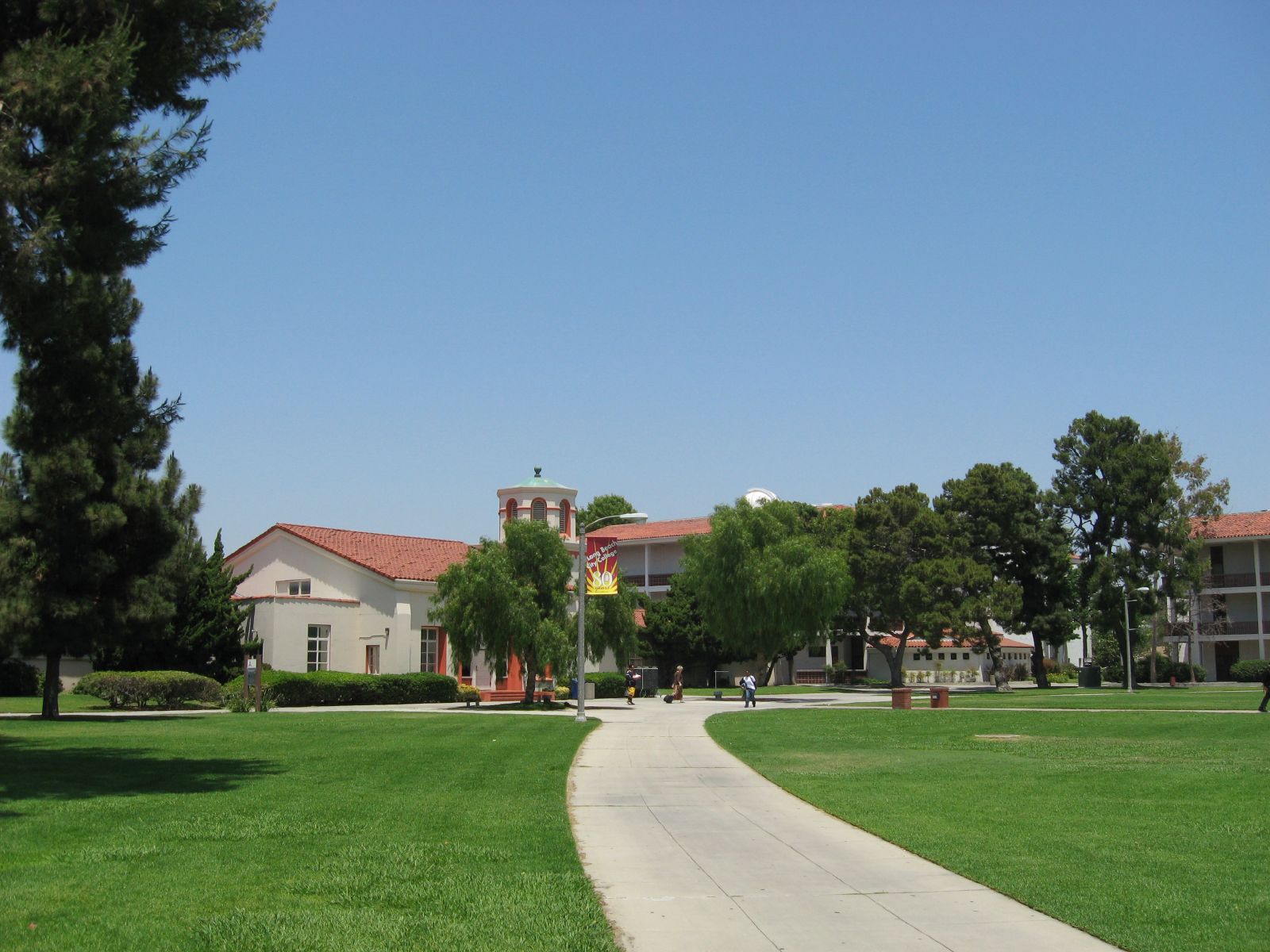
These communities arrived in the United States through refugee resettlement following the wars in Vietnam, Cambodia, and Laos, and were placed largely in low income areas with underfunded schools: Long Beach, Fresno, Stockton, the Twin Cities, Lowell, Philadelphia. The educational outcomes of the first US born generation were shaped by that placement, not by anything cultural.
Which is what makes the current gains meaningful. A generation is climbing out of conditions the federal government helped create, using federal programs designed to help, and the programs are being defunded partway through the climb. That is not an accident of budgeting. It is a policy choice with a knowable outcome.
The immigration piece compounds it in a way that is unique to these communities. Thousands of Southeast Asian Americans who arrived as refugee children hold old removal orders, often stemming from convictions in their teens or twenties, and enforcement against that population has escalated in recent years. A student whose father is subject to a decades old order does not have the same relationship to a college financial aid form, a campus address, or a semester abroad as a classmate does. The chilling effect operates whether or not anyone in the family is actually detained, and it lands on exactly the students the enrollment gains are supposed to describe.
This is also why the deportation relief legislation that has been circulating in Congress and the education funding fight are not separate stories. They are the same story arriving through two different committees.
What to do with this if you work in education
Three concrete things. Ask whether your institution holds AANAPISI designation and what it currently funds, because most staff at eligible institutions do not know. Push for disaggregated reporting in your own data, which is usually a matter of will rather than capability. And treat back to school season as the window it is, since this is the moment enrollment decisions are actually being made by students who may or may not have someone to call.
The report's title is Rising Up. It is worth reading it as a description of what these students are doing and a question about whether anyone plans to keep holding the ladder.
Sources: AsAmNews, August 4, 2026; SEARAC Rising Up fact sheets; SEARAC report release.