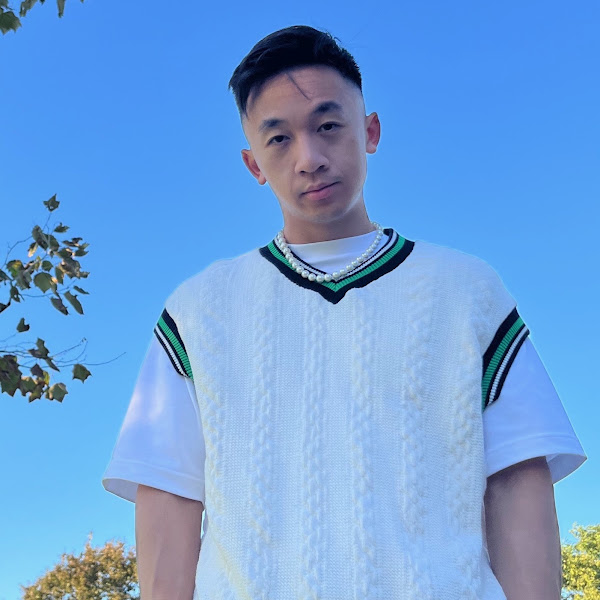
“In an era where representation has become a buzzword often stripped of its deeper substance, artist and actor wangthang—most prominently established as drag king persona ‘Wang Newton’—offers a vital counter-narrative.”—one rooted in cultural tension, artistic defiance, and transformative community building.
Roots and Resistance: Navigating Cultural Identity
Raised in a predominantly white small town, Wang’s early life bore the weight of conflicting expectations. As a Taiwanese American, they found themselves torn between inherited traditions and the surrounding culture’s narrow definitions of success and belonging. Though thrown in as a toddler to play the Monkey King during lion dances, later artistic expression was never approved or nurtured by family. Creative inclinations had to fight for air amid more “practical” life paths.
Becoming Wang: Drag as Discovery and Defiance
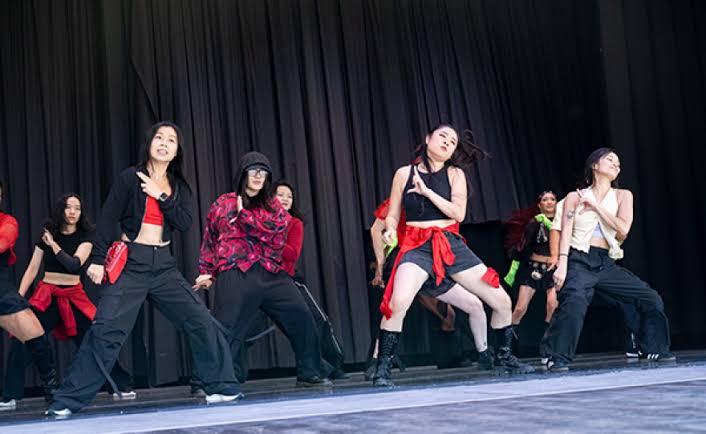
The absence of support didn’t snuff out Wang’s spark. Instead, it smoldered until unexpectedly igniting at a friend’s birthday party, where they first stepped into drag. Until 2016 or 2017, they encountered virtually no peers who looked like them—no roadmap, no mentors, no mirrors. So they built one.
Recognizing the hunger for community and visibility, Wang launched an Instagram group for Asian drag kings. Today, it boasts around 75 members, including performers from South Asian backgrounds. This effort is not just a digital community—it’s a lifeline, a statement that Asian masculinity and gender performance deserve space and celebration in the drag world.
Yet Wang’s ascent was no smooth climb.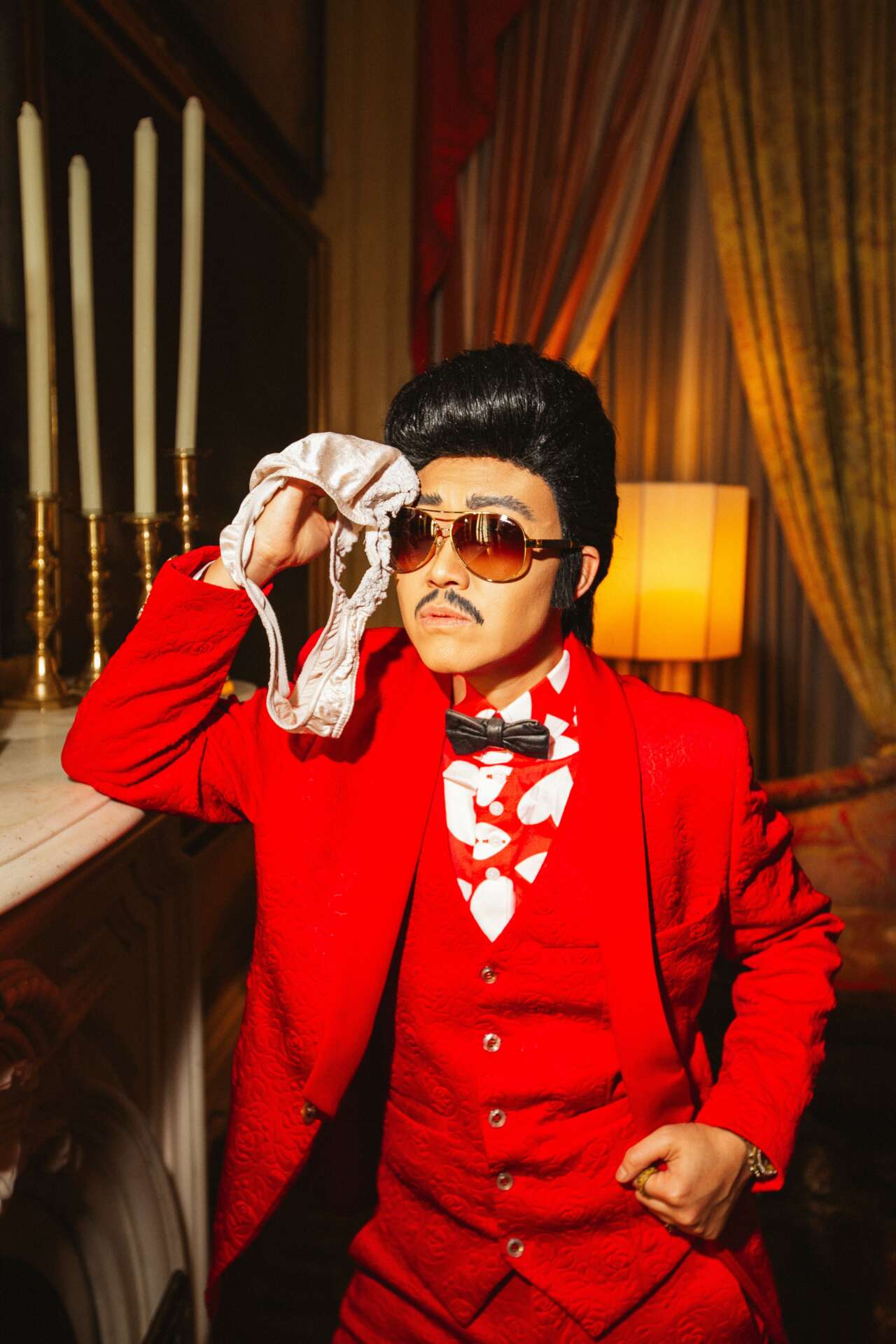
Resilience as Practice: Healing and Growth
Rejection came from all sides—mainstream audiences puzzled by their defiance of norms, and segments of the Asian community wary of nonconformity. The resilience they’ve built is deeply intentional. It comes from listening to instinct, grounding in martial arts disciplines like Wing Chun Kung Fu, and healing through therapy and breathwork.
Their early validation came from the Philly drag scene—a moment that reminded them that fair treatment and respect weren’t too much to ask for. For Wang, it’s not enough to be seen—it’s about being understood on one’s own terms.
Recent moments of breakthrough, such as Nymphia Wind’s win on RuPaul’s Drag Race, have been encouraging, but Wang warns against complacency. The drag world still favors male-dominated venues—Wang often has to leave the country to find spaces that embrace their full identity.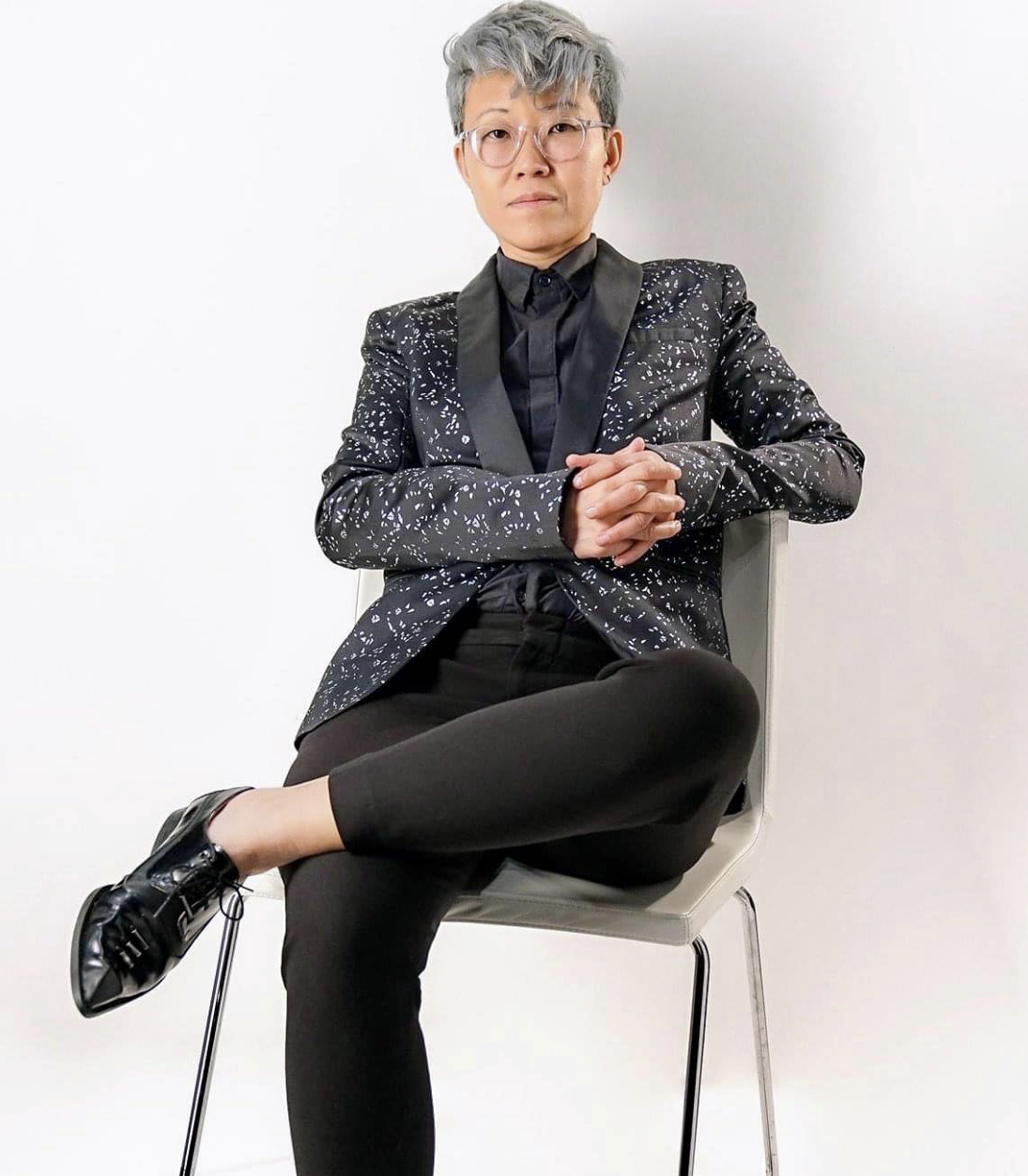
Building Bridges: Community, Collaboration, and the Road Ahead
As for the next generation of artists? Wang’s advice is clear: prioritize joy and self-acceptance over viral fame. Media representation is fleeting; self-knowledge is enduring. They urge young performers to create from the gut, not from the algorithm.
In closing, Wang’s openness to collaboration underscore a crucial point: true representation isn’t solitary. It’s communal. Wang offers community through the Slaysian Drag Kings Facebook group and Instagram Chat where young drag stars are able to embrace their identity proudly.
Their story is not just about drag. It’s about what happens when you refuse to disappear—when you make yourself visible not for approval, but for survival, truth, and joy. In Wang’s world, drag isn’t just art. It’s revolution.
Learn more about the Asian American Experience through 88tumble.com/explore