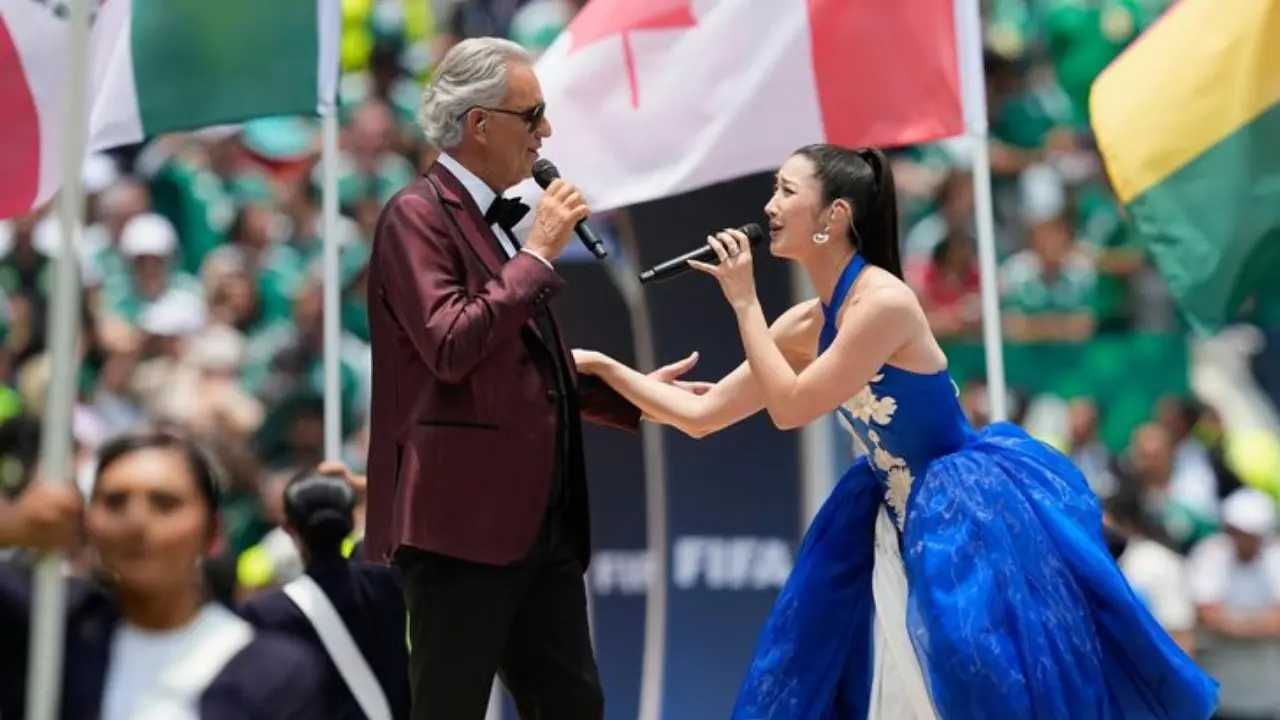
When the 2026 FIFA World Cup opened at Estadio Azteca in Mexico City, millions of viewers saw Andrea Bocelli step out for the live debut of "DNA," the tournament's official anthem. Standing beside him was Korean American singer-songwriter EJAE, best known until now for writing and singing "Golden," the breakout theme from the animated film "KPop Demon Hunters."
EJAE at the World Cup 2026 opening stage
FIFA tapped EJAE not just as a featured voice, but as a co-writer of "DNA," with a crucial detail: she wrote and performs the Korean lyrics in the anthem, including a line about falling and getting back up again that has already become a favorite among fans. For EJAE, representing Korea in Korean on the World Cup stage is a symbolic full-circle moment after years of feeling like there was no room for her in the idol system.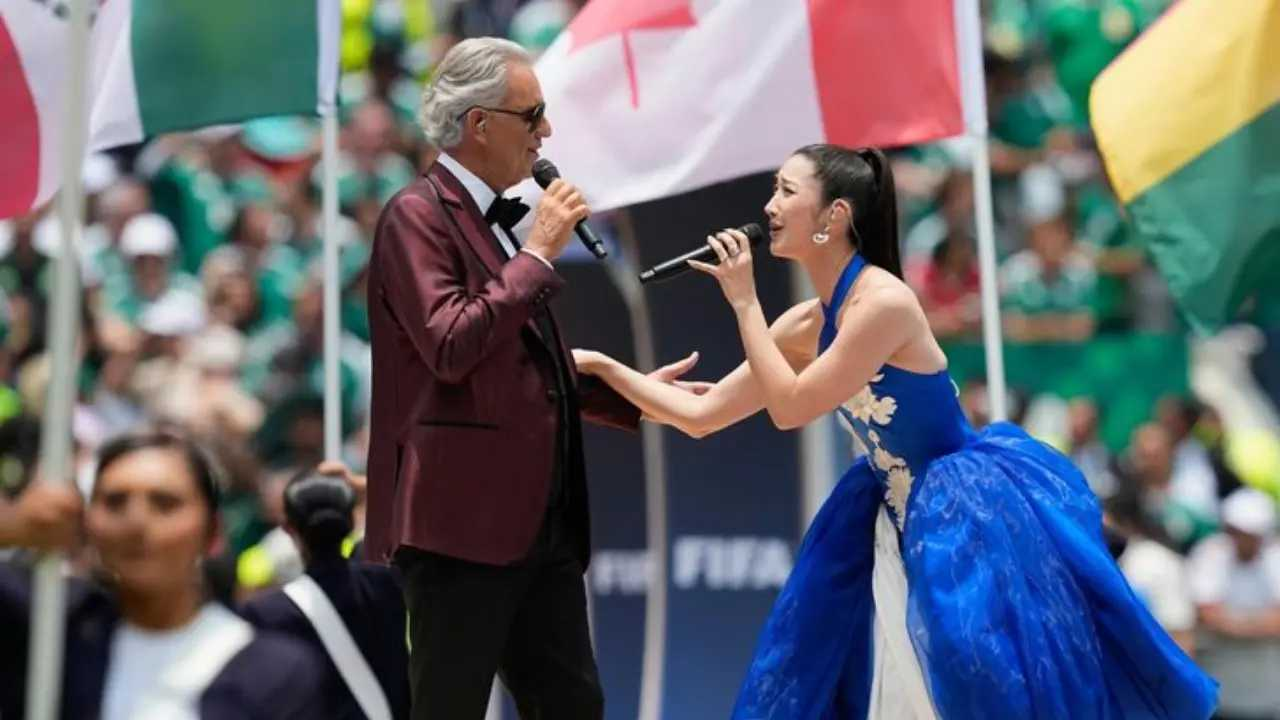
From K-pop trainee to "KPop Demon Hunters"
Long before the World Cup spotlight, EJAE—born Kim Eun-jae in Seoul—spent her teens in the pressure cooker of the K-pop trainee system. She joined powerhouse label SM Entertainment at just 11, training for years with the hope of debuting in a girl group or as a solo idol, only to have that dream stall as she "aged out" of trainee life in her early twenties.
Her agency ultimately let her contract expire without ever selecting her for a group, a rejection that sent her into depression and forced her to question whether she still had a place in music. Instead of walking away, she pivoted into songwriting, attending a company camp where she helped create future hits, and quietly building a reputation behind the scenes in K-pop.
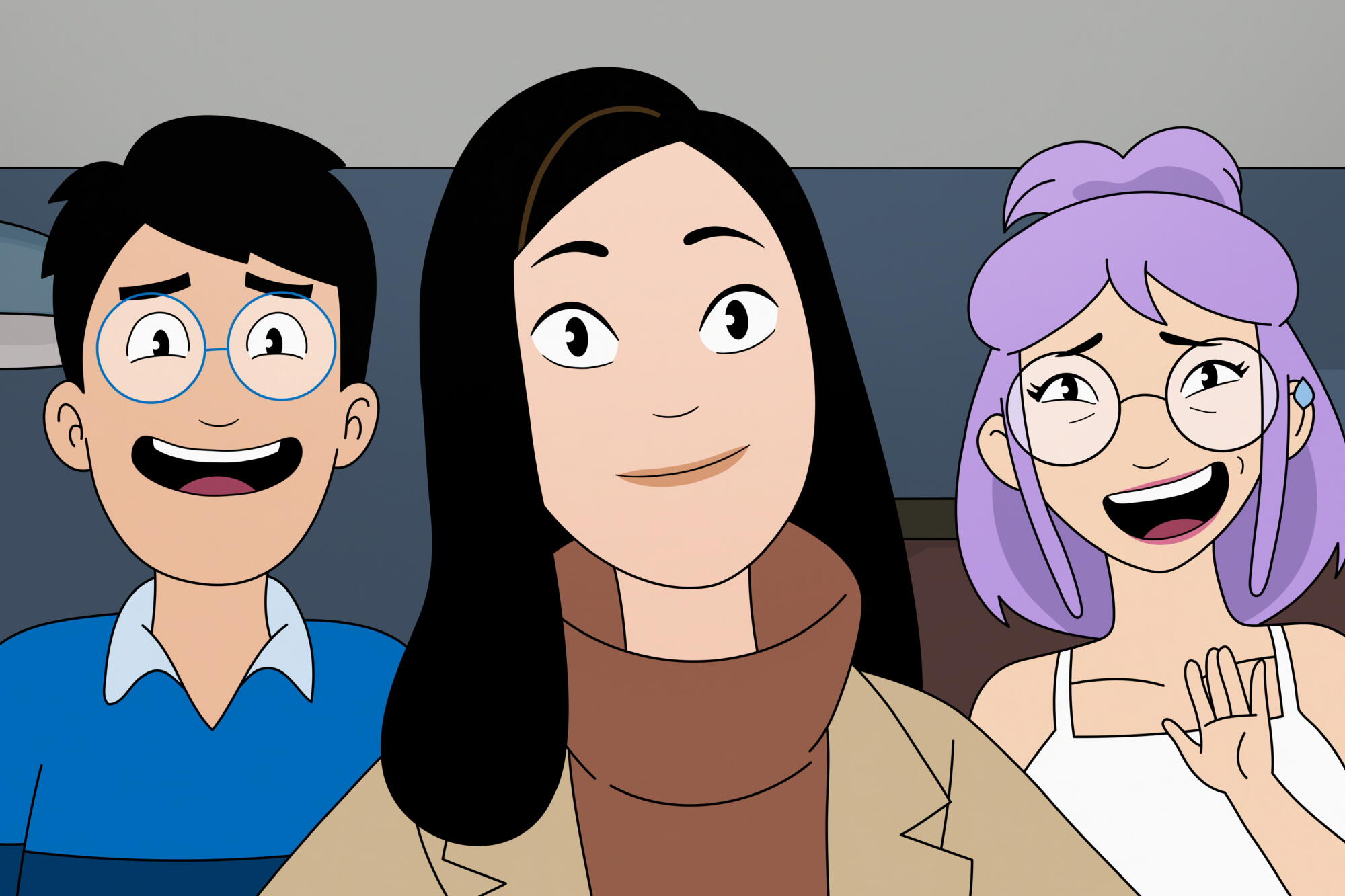
The real turning point came with "KPop Demon Hunters," the animated Netflix and Sony film about a K-pop girl group that battles demons through music. EJAE not only co-wrote key tracks for the soundtrack, including the soaring anthem "Golden," but also provided the singing voice for the lead character, Rumi, giving her a stealth debut of sorts through animation rather than an idol stage.
Not making it as an idol—and making it anyway
EJAE has been candid about the heartbreak of never debuting as an idol, calling herself "too old" by K-pop industry standards even in her early 20s and describing that period as feeling like a personal failure. Yet the skills she honed—relentless practice, vocal control, stage instincts—did not disappear; they migrated into songwriting rooms, demo booths, and eventually into global projects.
Through camps and collaborations, she co-wrote songs for major acts like Red Velvet, Twice, Suzy, and Aespa, with one camp demo evolving into Red Velvet's hit "Psycho." "Golden" then exploded beyond the film: it topped charts, won a Golden Globe and a Grammy for best song written for visual media, and became the first K-pop song to win that Grammy category, turning EJAE from a behind-the-scenes name into a headline artist.
That arc—failed idol prospect to award-winning songwriter and vocal centerpiece—is what makes her World Cup moment resonate. For every trainee who never debuts, EJAE is proof that the story does not have to end when the idol dream does; it can change shape and grow even bigger.
"DNA" and the power of singing in Korean on a global stage
"DNA (More Than a Game)" brings together Andrea Bocelli, David Guetta, Megan Thee Stallion, and EJAE, blending opera, EDM, rap, and K-pop-adjacent pop into a single anthem. In the middle of that global mix, EJAE's Korean verse stands out—not just as a sonic texture, but as a statement about whose languages belong in world sports culture.
She has highlighted one lyric in particular: "It's okay to fall again, just get back up once more," a line she wrote in Korean that maps almost perfectly onto her own career. At a tournament built on comebacks and underdog stories, EJAE's arc—from a trainee told she was too old to debut, to the Grammy-winning writer of "Golden," to the woman singing in Korean at the World Cup opening ceremony—embodies the message of the song more than any marketing copy could.
Why EJAE's World Cup moment matters now
EJAE's World Cup performance matters on multiple levels. For K-pop fans, she represents a different kind of success story, one rooted in songwriting, voice acting, and long-term craft rather than a quick idol debut. For Korean and Korean American audiences, she is a reminder that Korean language and culture are now woven into global tentpoles like the World Cup, not just confined to music charts or dramas.
And for anyone who has ever been told they timed out of their dream, her presence on that opening-ceremony stage is a quiet but powerful rebuttal. The girl who never made it into a K-pop group now stands in front of the world's cameras, singing an anthem she helped write, on a stage that no single idol group can claim.
Explore the Asian American Experience on 88tumble.com/explore