Introduction
In an era where Asian Americans are breaking barriers across entertainment, politics, and business, one voice has emerged as a defining force in addressing the persistent leadership gap that continues to affect this community. John Wang, the visionary author of Big Asian Energy, has crafted more than just a book—he has created a movement that challenges decades of cultural conditioning and systemic barriers that have kept Asian American professionals from reaching their full potential.
John Wang: From Personal Struggle to Community Champion
John Wang's journey to becoming a leading voice for Asian American empowerment began with his own experiences navigating dual cultural identities. Born in Taiwan and immigrating to Canada as a child, Wang understands firsthand the weight of high expectations and the pressure to assimilate while maintaining cultural authenticity. His personal struggles with burnout, imposter syndrome, and constant people-pleasing became the foundation for what would later become his life's work.
For over 15 years, Wang has dedicated himself to helping high-achieving Asian Americans overcome similar struggles, establishing himself as a premier leadership coach to the Asian American community. His client roster reads like a who's who of Fortune 500 companies—Google, Apple, American Express, Goldman Sachs, and Microsoft—demonstrating the widespread need for his specialized expertise.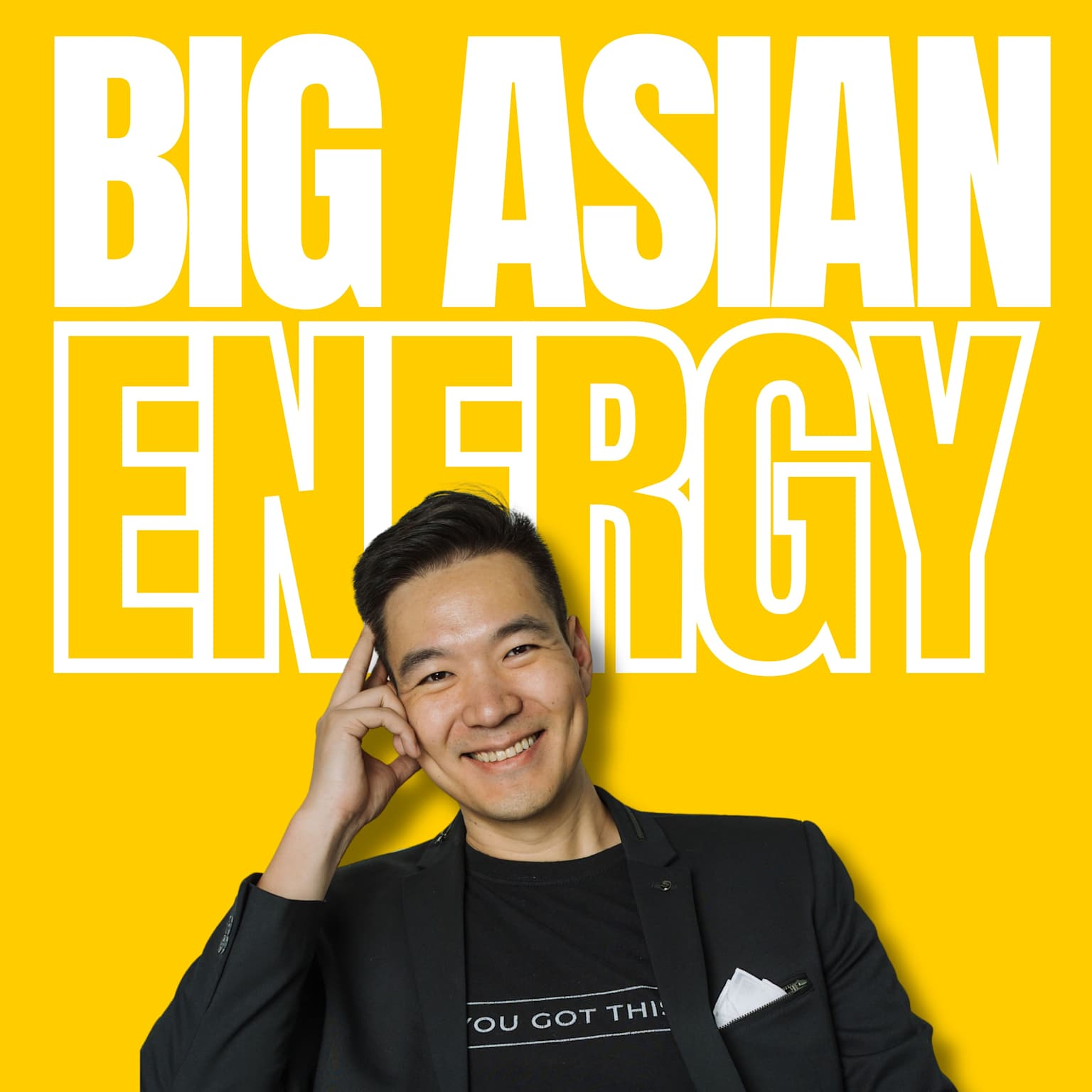
Big Asian Energy: A Groundbreaking Literary Achievement
Wang's book Big Asian Energy: An Unapologetic Guide for Breaking Barriers to Leadership and Success, published by Tiny Reparations/Penguin Random House in May 2025, represents a watershed moment in Asian American literature. The book's recognition as one of Amazon's Best Books of 2025 underscores its significance and impact. This achievement is particularly remarkable given that Wang told his followers, "If you told me ten years ago that a book about Asian Americans breaking barriers would be making this list, I would have been SO excited, let alone being the one getting to write it".
The Research Foundation
What sets Wang's work apart is his commitment to data-driven advocacy rather than relying solely on personal anecdotes. The book is built upon extensive research that Wang compiled into a massive database of every Asian American-related study he could find. This methodical approach reflects Wang's belief that organizational change requires evidence-based arguments, not just compelling stories.
Publishers Weekly praised the work as "an empowering guide" and "a boon for Asian workers eager to take their career to the next level," while Kirkus Reviews called it "a wealth of helpful advice, shared in an authentic voice". The book's 384 pages offer both theoretical framework and practical exercises, making it accessible to readers seeking immediate actionable guidance.
The Seven Patterns Framework
Wang's research identified seven behavioral patterns that commonly hold back Asian American employees. These patterns, which he calls "Achievers," "Fixers," "Chameleons," and "Invisible Ones," represent different ways that cultural conditioning manifests in professional settings.
Breaking Through the Bamboo Ceiling
The concept of the "bamboo ceiling"—the invisible barrier that prevents Asian Americans from advancing to senior leadership positions despite their qualifications—forms a central theme in Wang's work. Despite Asian Americans being among the most highly educated groups and well-represented in early to mid-level positions, statistics show they are about half as likely as their white counterparts to be promoted to executive leadership roles.
Wang's personal motivation for addressing this issue intensified during the Stop Asian Hate movement, when he experienced racism firsthand. The Wall Street Journal recognized the importance of Wang's work by publishing an excerpt from his book.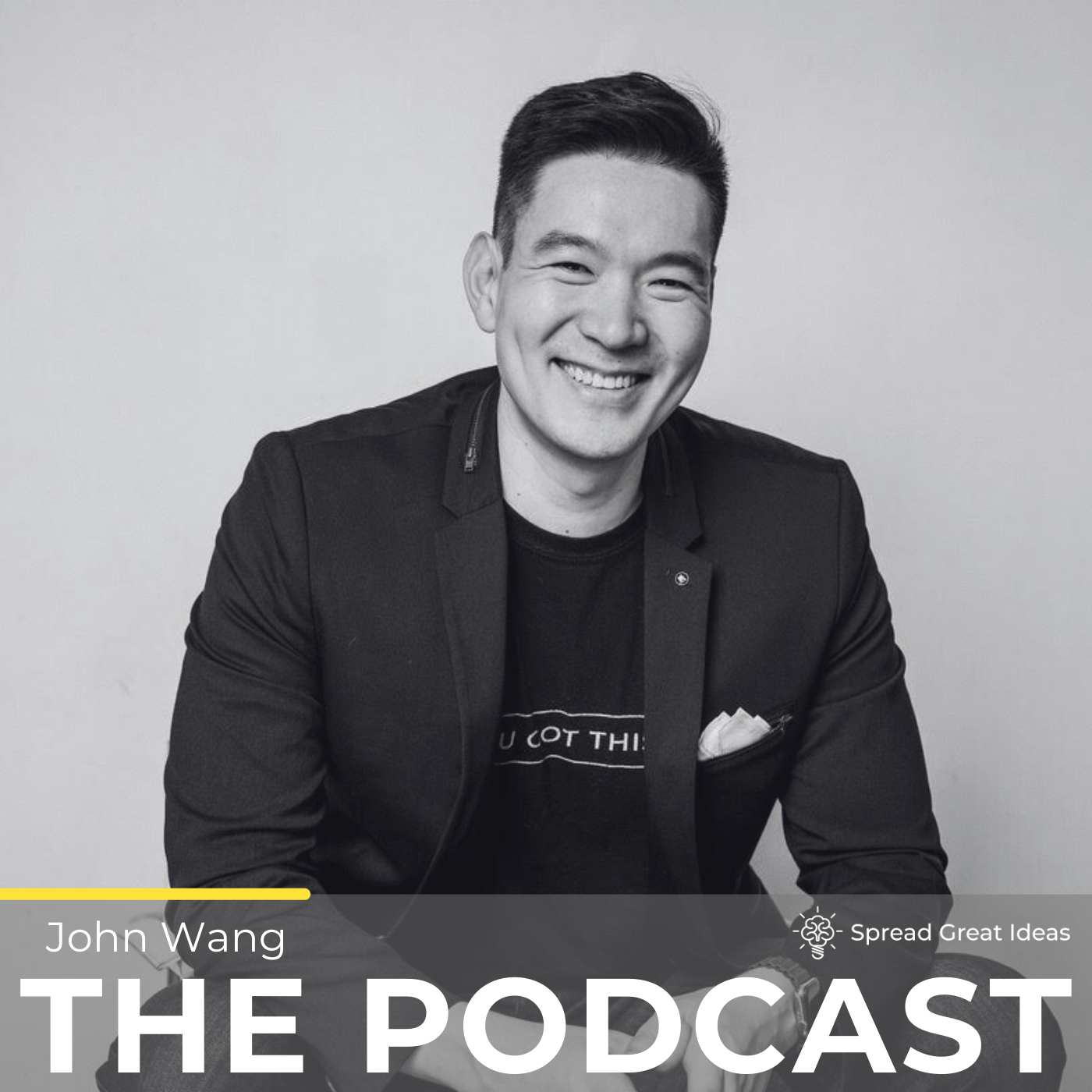
Beyond Assimilation: The Integration Philosophy
One of Wang's most significant contributions is his distinction between assimilation and integration. His philosophy emphasizes "unapologetic self-ownership" and the integration of Eastern and Western values. Wang argues: "There's a myth that Asians are quiet. And I'm like, we're not quiet... We have no lack of assertiveness, no lack of confidence. So where does this stereotype come from?"
The Multi-Platform Impact
Wang's influence extends far beyond his book. His podcast Big Asian Energy interviews Asian American leaders, and his social media presence reaches over 240,000 TikTok followers with coaching videos garnering more than 25 million views. As a TEDx speaker, Wang has brought his message to McKinsey and leading colleges.
Conclusion: A Legacy in the Making
John Wang's Big Asian Energy stands as more than a self-help book; it represents a manifesto for a generation of Asian Americans ready to claim their space in leadership without apology or compromise. In a world where representation matters more than ever, John Wang has given Asian Americans something invaluable: permission to lead as themselves, with all the strength, wisdom, and cultural richness that identity entails.
Learn more about the Asian American Experience on 88tumble.com/explore