World Cup week in an immigrant capital
The 2026 World Cup is finally here, kicking off a summer where the biggest sporting event on the planet lands on North American soil and takes over screens across Los Angeles. As the group stage gets underway this week, the city is already organizing around what it does best: turning global moments into neighborhood block parties.
For a metropolis built by immigrants, the World Cup is more than a tournament. It is a rolling family reunion, a chance for people to show where they come from, where they are now, and how those identities can coexist on the same sidewalk.
Asia on the world's biggest stage
Asian national teams arrive at this World Cup carrying the expectations of enormous, football-crazy fan bases spread across continents. Japan, one of Asia's most consistent powers, opened its campaign in a heavyweight Group F clash against the Netherlands in Arlington, Texas. On paper it is a European favorite against an Asian giant, but in living rooms from Tokyo to Torrance, it feels like a referendum on how far Asian football has come.
Beyond Japan, other Asian Football Confederation (AFC) qualifiers bring their own storylines and diasporas into the mix, from traditional powers to rising programs that battled through a crowded qualification process just to reach North America. For Asian Angelenos, every kickoff is a reminder that their homelands are no longer on the periphery of the sport—they are right in the center of the world's biggest show.
Little Tokyo: Japan vs. Netherlands as neighborhood festival
When Japan faces the Netherlands in this first-stage showdown, Little Tokyo becomes an unofficial fan zone for both history and the future. Japanese restaurants, bars, and cultural centers are turning the match into a watch-party corridor, with fans in blue jerseys spilling out into plazas that are usually known for mochi, ramen, and century-old community institutions.
The game itself is high stakes, but the emotional stakes might be even higher: kids of Japanese descent watching with grandparents who remember earlier generations of migration, shop owners hanging flags in windows, and non-Japanese neighbors pulling up a seat to cheer for a team that represents their friends. In Little Tokyo, a group-stage match in Texas becomes a local civic event, another chapter in how this historic neighborhood insists on staying visible in a rapidly changing downtown.
Mexico vs. Korea at Seoul International Park
Across town, Seoul International Park in Koreatown is turning into a World Cup festival ground, with events that mirror the city's overlapping identities. This week, a Mexico vs. Korea watch party will pull together two of LA's most deeply rooted communities in one shared space, turning a single match into a bilingual, bicultural celebration.
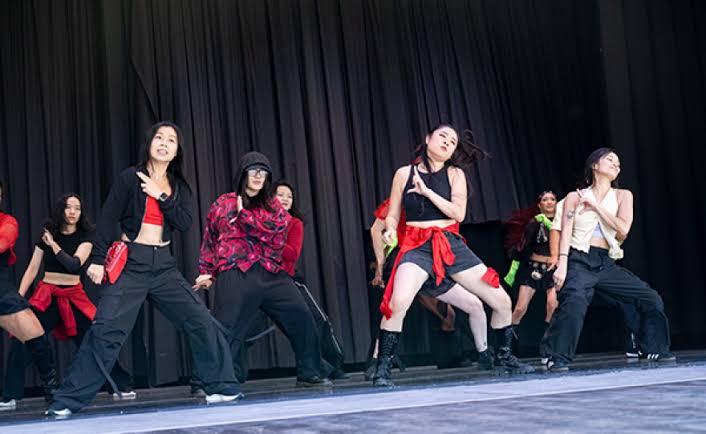
The park has long been a gathering place for Korean Angelenos, from the annual Korean Festival to year-round cultural events that honor the neighborhood's history and resilience. Layered on top of that, the Mexican and wider Latinx communities that live, work, and celebrate in and around Koreatown bring their own drums, chants, and colors—and when El Tri and Korea share the same screen, you get a crowd that looks and sounds like Los Angeles itself.
Why this matters to Los Angeles
Los Angeles is often described as a city of freeways and film sets, but the deeper truth is that it is a city held together by immigrant neighborhoods and the everyday rituals that happen inside them. Places like Little Tokyo and Koreatown have endured waves of displacement, redevelopment, and reinvention, yet they remain cultural anchors precisely because communities show up for moments like this: a World Cup match, a street festival, a late-night celebration after a big win.
These ethnic watch parties are not just about soccer. They are a way for Angelenos to say: our histories matter, our languages belong here, and our joy deserves space in public. In a city where multi-generational households follow both LAFC and national teams from across the Pacific or across the border, the World Cup gives people permission to be fully themselves—Filipino and American, Japanese and Angeleno, Korean and Mexican, all at once.
In a single week, a Japan vs. Netherlands game in Little Tokyo and a Mexico vs. Korea gathering at Seoul International Park become proof of how global football and local identity feed each other. They show that in Los Angeles, the World Cup is not just something you watch; it is something you live, together, in the neighborhoods that immigrants built and continue to define every day.
Learn more about the Asian American Experience on 88tumble.com/explore